

 EN
EN  FR
FR 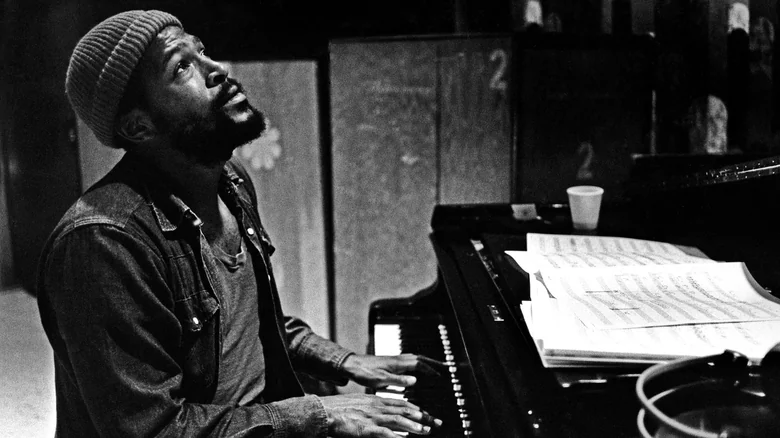
April 1, 1984, was the kind of day that would be too on-the-nose for a movie: a Sunday, the eve of Marvin Gaye’s 45th birthday, and, in a twist of cosmic cruelty, April Fools’ Day. By lunchtime, the singer who had once asked the world “What’s Going On?” was dead on the floor of his parents’ Los Angeles home, shot by his own father. The headlines wrote themselves. The rest of the story didn’t.
In the months leading up to that day, Marvin was a paradox in motion. Professionally, he was in a renaissance—he’d won his first Grammy for “Sexual Healing,” become a global sex symbol again, and even nailed the national anthem performance at the 1983 NBA All-Star Game with enough charisma to make the Constitution blush. Privately, however, the wheels were coming off. He had returned to live with his parents—an arrangement that went about as well as you’d expect when the “Prince of Soul” moves back into a house governed by a man known for sermons, suspicion, and a lifelong allergy to joy.
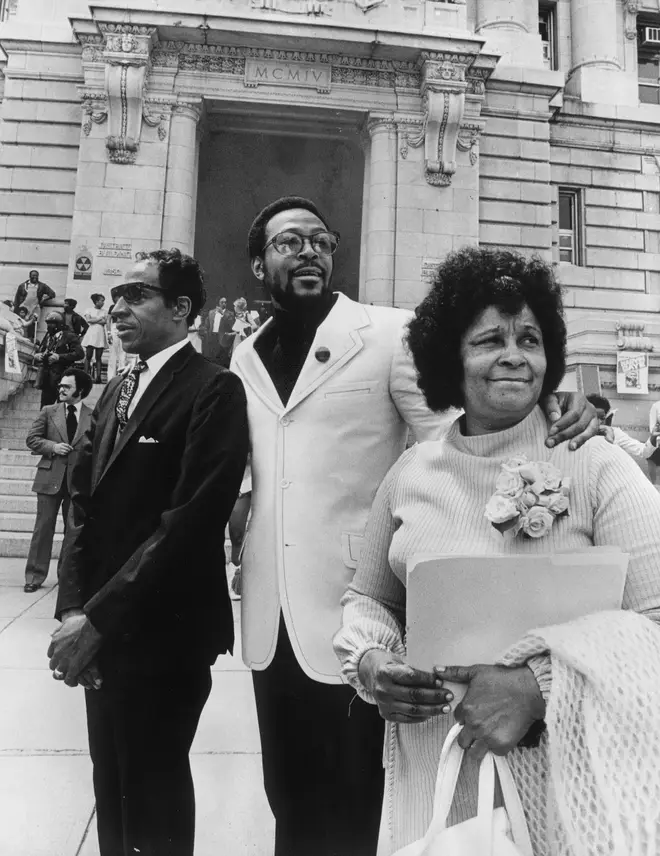
The argument that led to Marvin’s death, like many great familial implosions, reportedly began over something as mundane as misplaced paperwork—specifically, an insurance letter that had gone missing. The dispute had already flared up the day before, when Marvin defended his mother from his father’s verbal attacks. On April 1, the shouting resumed. Marvin Sr. was downstairs, yelling at Alberta about the documents. Marvin Jr., in his robe, called out and told his father to come upstairs and talk if he had something to say. When his father refused, Marvin warned him not to come up. He did anyway.
When Marvin Sr. reached the top of the stairs and continued berating Alberta, Marvin Jr. physically confronted him, shoving and punching him hard enough to leave visible welts and bruises—one reportedly the size of a melon. Minutes later, Marvin Sr. returned to the bedroom with a .38-caliber revolver—a gun Marvin Jr. had ironically gifted him months earlier for protection—and shot his son. The first bullet struck his chest; the second was fired at close range. According to contemporaneous accounts from AP and UPI, the shooting occurred at approximately 12:38 p.m. The Los Angeles Times obituary the next day laid it out with the sterile precision of journalism in shock: Marvin Gaye, dead at 1:01 p.m. at California Hospital Medical Center.
In the aftermath, the facts calcified into legend. One quote, in particular, metastasized across tabloids and biographies: “I couldn’t do it myself, so I had him do it for me.” Often paraphrased, sometimes glamorized, and almost always attributed secondhand. The line comes from Marvin’s brother Frankie, who claimed Marvin said it in his final moments. History.com, among others, references this via Frankie’s memoir. It is not a verified last word, but it is a lasting one—resonant, uncomfortable, and all too plausible.
There were whispers even before his death that Marvin had been spiraling. Various biographies suggest prior suicide attempts and a pattern of reckless behavior. One commonly cited anecdote claims he had thrown himself out of a moving vehicle just days earlier—an act that, depending on the source, was either a cry for help or a prelude to what came next. It’s not that the exact details don’t matter. It’s that no one really agrees on what they were. What remains is the residue of a man unraveling in slow motion, while the world kept dancing to his records.
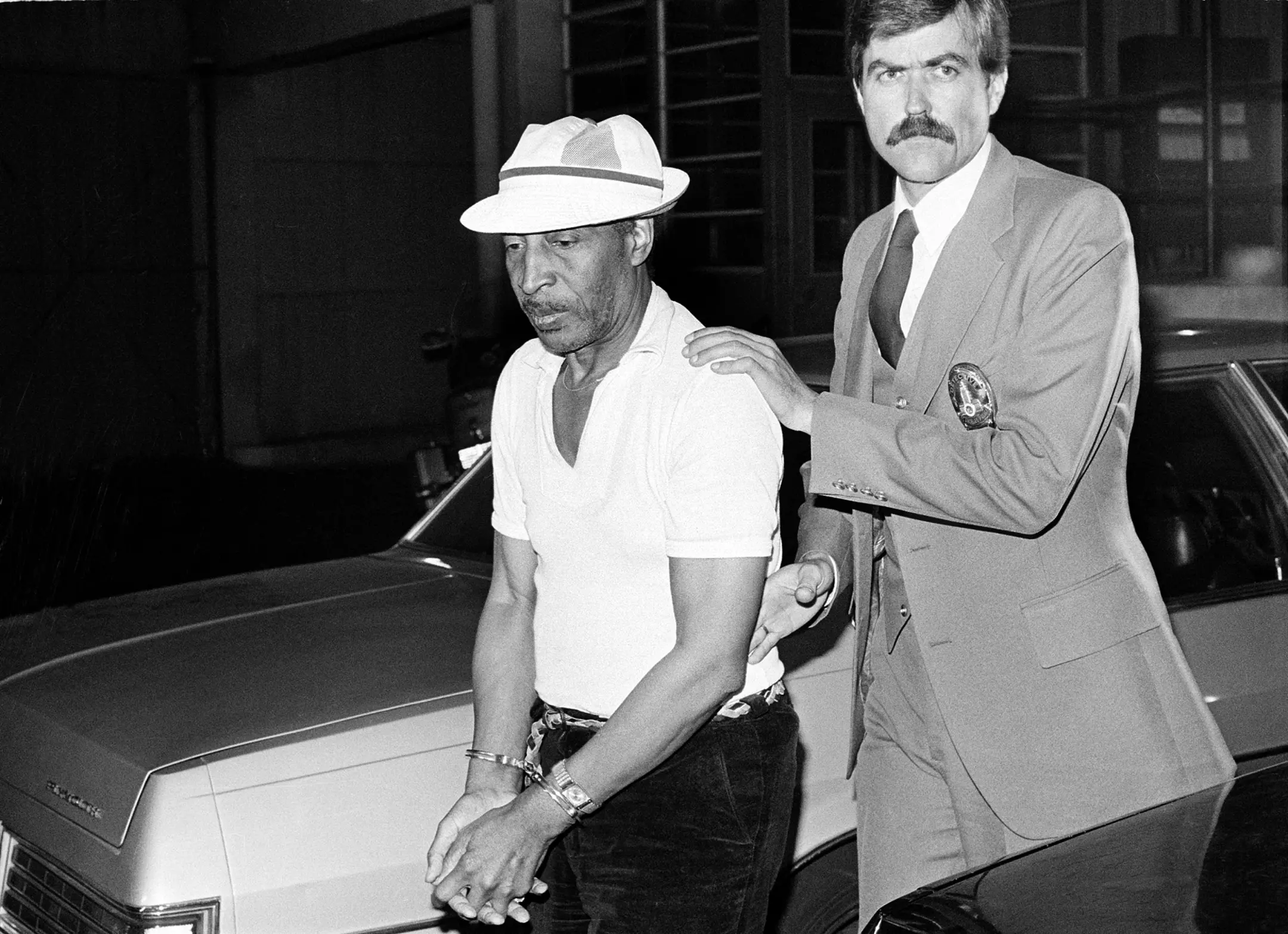
His father would later plead no contest to voluntary manslaughter, avoiding a murder trial and serving a suspended sentence. The legal system, like so many others in Marvin’s life, quietly closed the door and walked away.
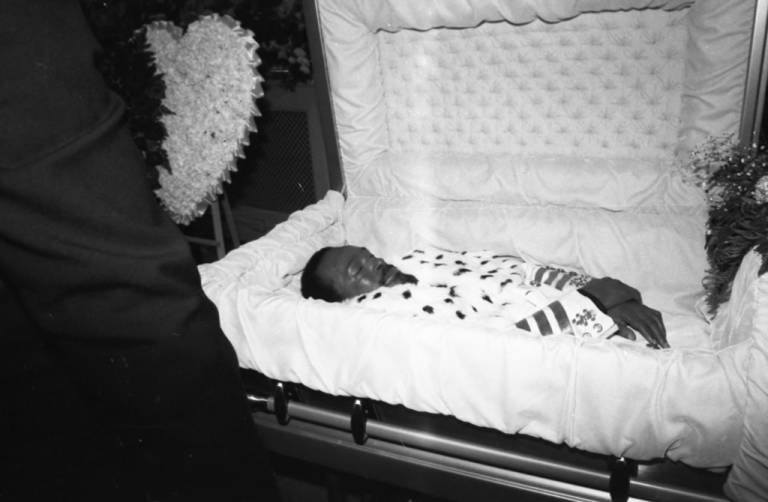
In the end, Marvin Gaye’s death resists clean resolution. Was it a moment of chaotic family violence or a darkly orchestrated exit? A preventable tragedy or the inevitable final note in a life scored by pain, brilliance, and contradiction? We can’t say. But we can listen—to the music, to the silence that followed, and to the uneasy echo of a quote that may or may not have been said, but now refuses to be unheard.


Leave a Reply