 EN
EN  FR
FR 


PREAMBLE
Building a record collection from scratch can be both great fun and intimidating. It can also be more expensive than it used to be, as the once “dying format” has shown remarkable resilience since its resurgence beginning in 2007. With so many great records out there, it’s impossible to include every single one across all genres. For this series, I’ll limit my scope to pop, rock, and soul, beginning with the 1960s.
To cover as many titles as possible, I’ll skip my usual song and sound analysis, and simply post the pertinent record-label information and music genre. In some cases, I’ll also suggest a superior-sounding reissue. Most of these pressings should sound great given the right system. If you can’t find a recommended pressing or find it too expensive, simply choose an alternative pressing. Any quick visit to Discogs’ database or your local record shop will show that prices are all over the map, varying anywhere from a dollar to several thousand, though most fall under $200, with the majority under $80. Note that pricing has little to do with sound quality or musical value. It’s usually tied to rarity, condition, and supply-and-demand economics.
Regarding second-hand records, an established rating convention–similar to what is found in the comic book world–grades the vinyl and outer sleeve condition with a series of letter abbreviations, with ‘M'(int) and ‘NM’ at the top, representing sealed or “like new” copies, followed by ‘VG+’ (Very Good Plus) indicating some minor wear or “ticks and pops.” These are all to a certain degree subjective ratings, but worth considering. Personally, I tend to avoid anything graded ‘VG’ or lower.
People often ask if it’s better to get the original pressing or buy a quality reissue. Unfortunately, there’s no clear answer. Advocates for originals (OGs) argue that the master tape was fresh and pristine at the time, ensuring all the micro-information embedded on the tape was captured in the lacquer and first pressings. That makes sense, especially since certain tape formulations deteriorate over time. On the other hand, in the past, cutting engineers often filtered out the lowest bass to keep cheap cartridges from jumping out of the grooves. Quality reissues usually avoid this, providing lower bass and more extended highs, though sometimes to the point that the latter may sound overly detailed to the point of analytical. The best reissue/remastering labels are (in alphabetic order): Acoustic Sounds/Analogue Productions, Classic Records, Craft Recordings, DCC, Music Matters, Rhino, Tone Poet (Blue Note), and, of course, the one that started it all back in 1978: Mobile Fidelity Sound Labs (MoFi, MFSL).
After nearly 50 years of experience with vinyl, my conclusion is it’s a case by case basis rather than a clear consensus.. As the saying goes, to each his own.
One last note: Regarding analogue vs. digital, with the exception of a handful of classical and jazz recordings around 1978–79, all original recordings from the ’60s and ’70s were recorded, mixed, mastered, and cut entirely in analogue.
Good hunting!
***
1965
By the mid-decade, the term “rock music”—rather than “rock and roll”—started popping up. It came to be seen as a broad category, rather than a specific style, similar to the classifications of “classical” or “jazz.” For the time being, most songs remained relatively short, with mono maintaining its dominance over stereo. This was also the time when artists began shifting their focus from singles to albums. The British Invasion and the Motown sound solidified their presence both on the airwaves—radio and television—and in the charts.
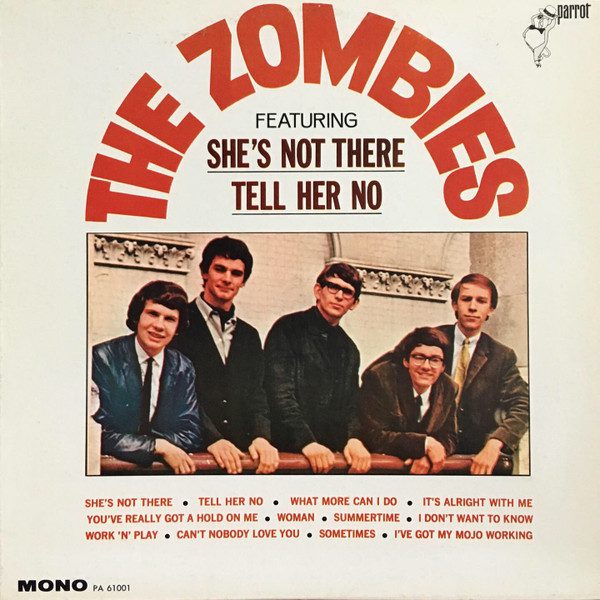
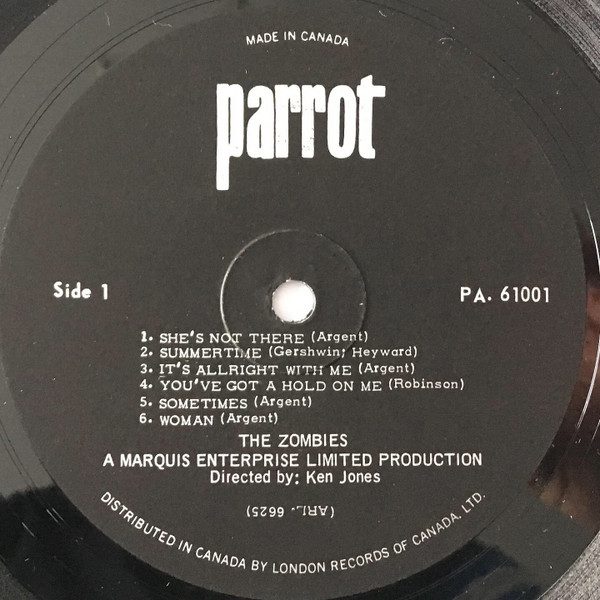
21- The Zombies – The Zombies. Parrot – PA 61001 (CAN.) (mono), PAS 71001 (1965, Jan.), 33 1/3 rpm. Genre: beat music, pop.
Far from resembling The Walking Dead, these Zombies released their self-titled US debut in January, which included both of their top hits, “She’s Not There” and “Tell Her No.” As was typical at the time, the British and American pressings differed somewhat in track listing and order. Strangely, although the band originated in England, the original UK version on Decca was released later—in April—and omitted “Tell Her No.”
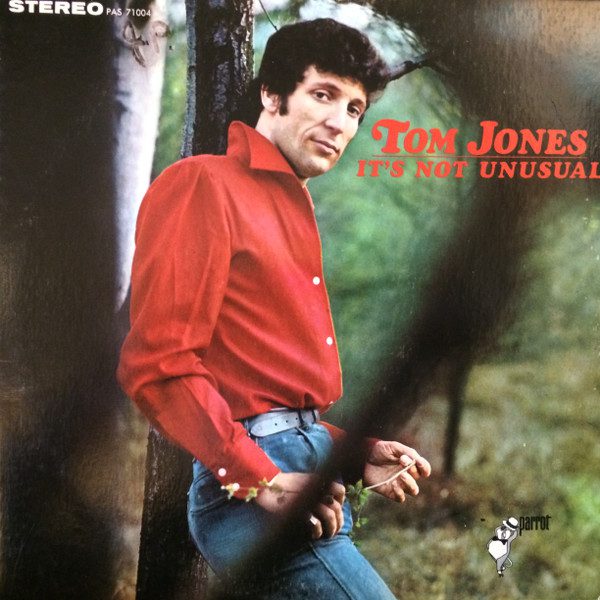
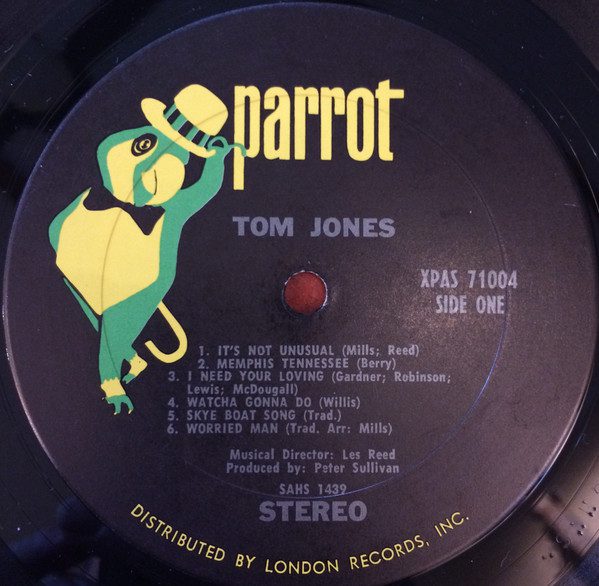
22- Tom Jones – It’s Not Unusual. Parrot – PAS 71004 (1965, Jan., May), 33 1/3 rpm. Genre: orchestral pop.
Born in Wales, Great Britain, singer Thomas John Woodward—better known as Tom Jones—hit the jackpot with his energetic, orchestral pop single “It’s Not Unusual,” released in January in the UK, followed by his debut album in May.
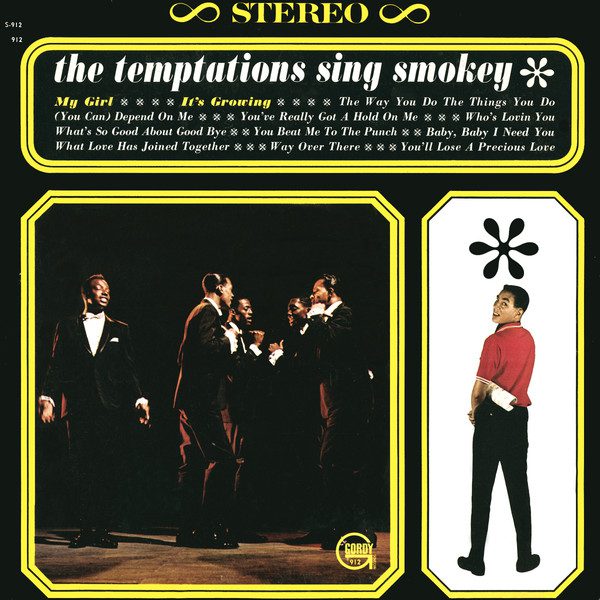
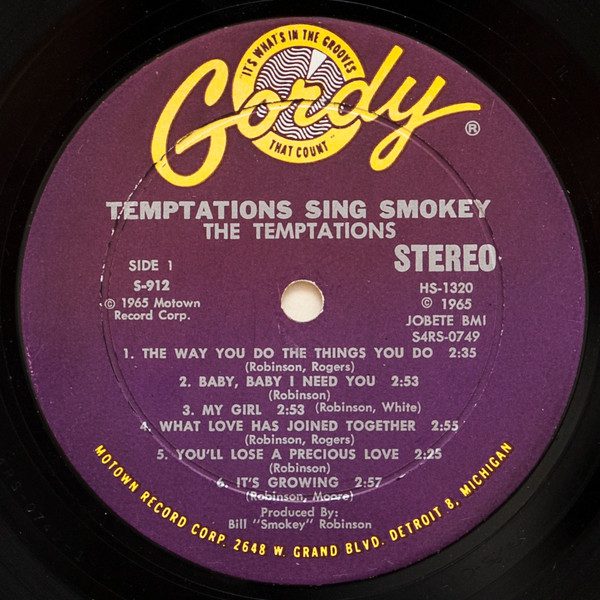
23- The Temptations – The Temptations Sing Smokey. Gordy – GS912 (1965, Feb.), 33 1/3 rpm. Genre: soul, ballad.
As the title suggests, Smokey Robinson produced and co-wrote several of the songs—including the memorable “My Girl”—on the Temptations’ second album, released in February on the Gordy label, a Motown subsidiary named after its founder, Berry Gordy.
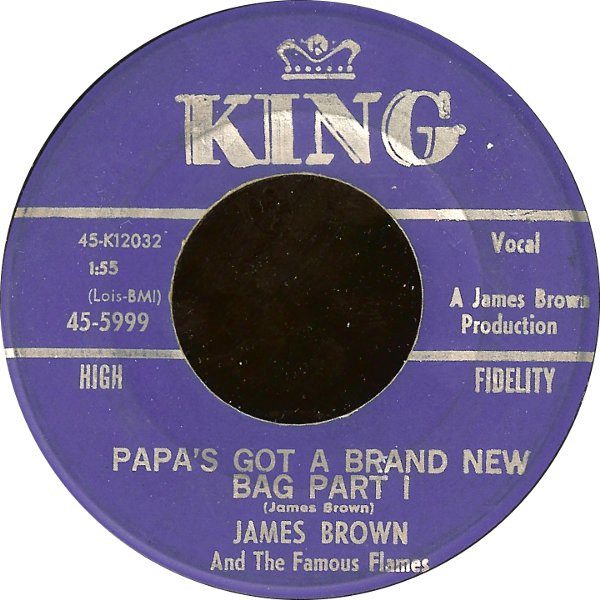
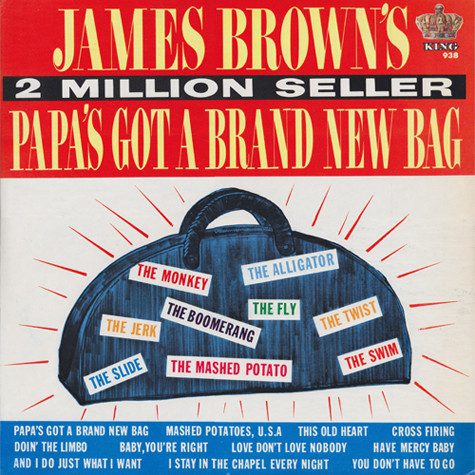
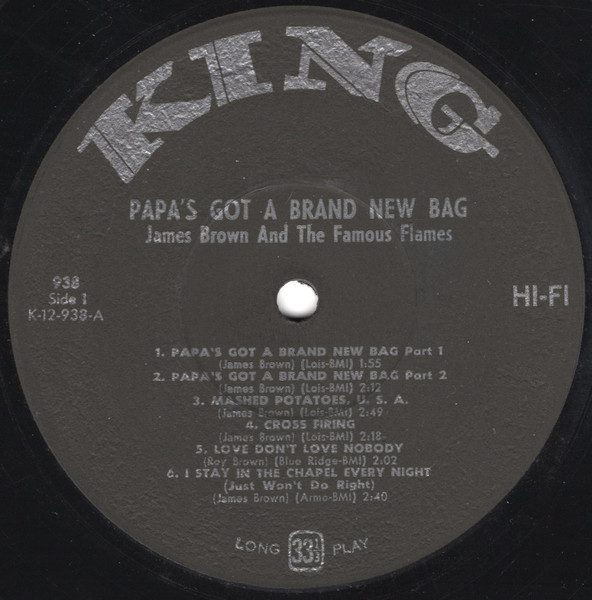
24- James Brown – “Papa’s Got a Brand New Bag Part 1/Part 2”. King Records – 45-5999 (mono) (1965, June), 7-inch, 45 rpm. Genre: soul, funk, rhythm and blues.
Patterned on “Out of Sight”, “Papa’s Got a Brand New Bag” brought James Brown to the forefront of funk.
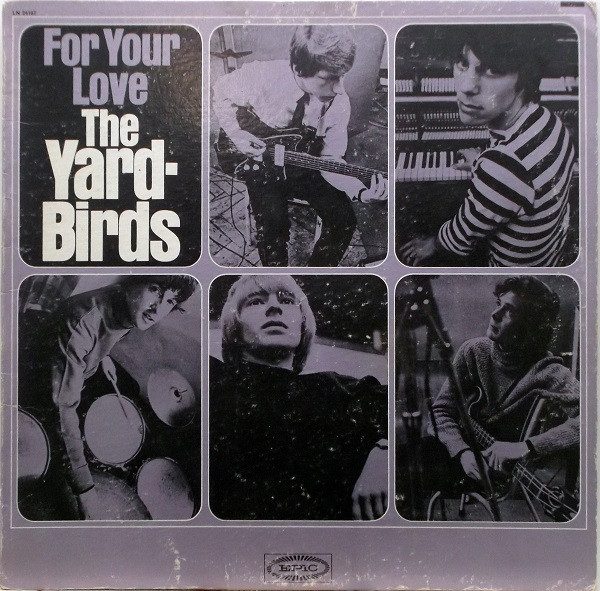
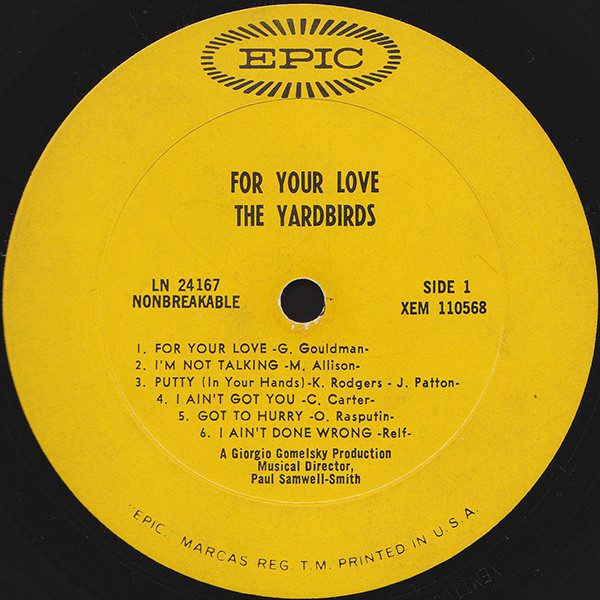
25- The Yardbirds – For Your Love. Epic – LN 24167 (mono), (1965, July), 33 1/3 rpm. Genre: blues rock, pop rock, baroque pop, British R&B, garage rock.
For Your Love featured the Yardbirds in the studio for their second LP—their debut had consisted of a live album released mainly in the UK six months earlier. Eric Clapton plays lead guitar on seven or eight of the eleven tracks, with Jeff Beck handling the remainder, as Clapton, much to his dismay, felt the group was veering away from the blues toward a more pop-oriented direction.
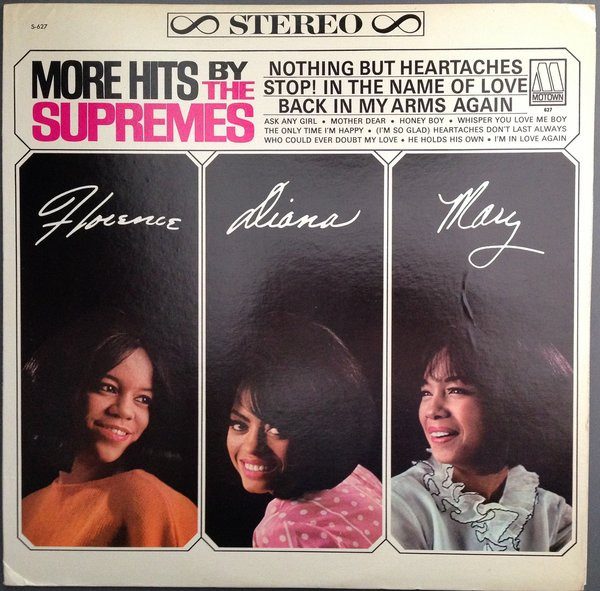
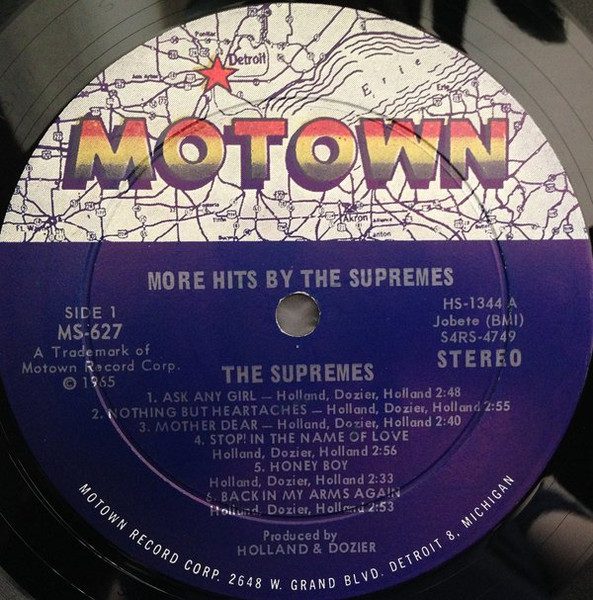
26- The Supremes – More Hits by The Supremes. Motown – S-627 (1965, July), 33 1/3 rpm. Genre: ‘Motown sound’, pop-soul, R&B.
Not to be outdone by their male counterparts, Motown sisters the Supremes released their sixth studio album, which included three major hits: “Stop! In the Name of Love,” “Back in My Arms Again,” and “Nothing but Heartaches.”
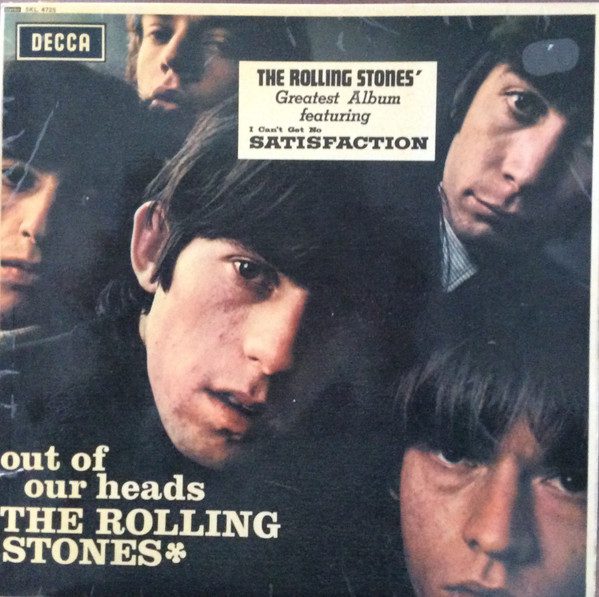
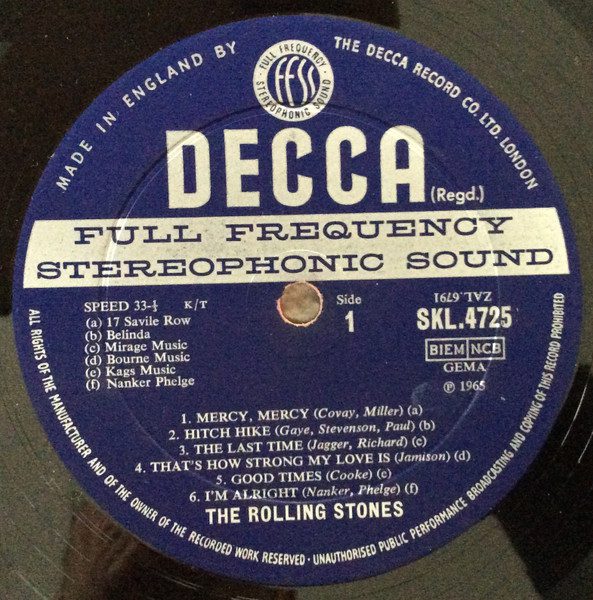
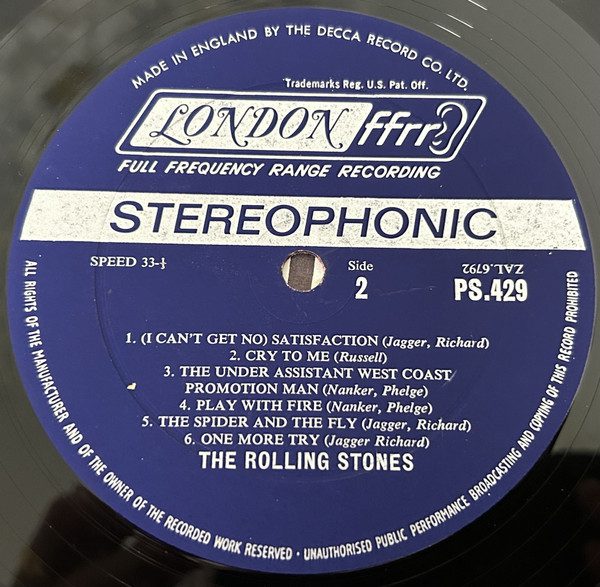
27- The Rolling Stones – Out of Our Heads. Decca – SKL 4725 or London Records – PS 429 (UK export) (1965, July), 33 1/3 rpm. Genre: rock, British R&B, blues rock.
In June, the Rolling Stones released the single “(I Can’t Get No) Satisfaction,” featuring what is undoubtedly Keith Richards’—and maybe rock’s—most recognizable riff. It would go on to become the Stones’ biggest hit of all time. Surprisingly, Decca did not include the song on the UK version of their third album, Out of Our Heads. Instead, you have to get the North American version, released on London Records, where it opens side two, along with “The Last Time,” another track omitted from the UK release.
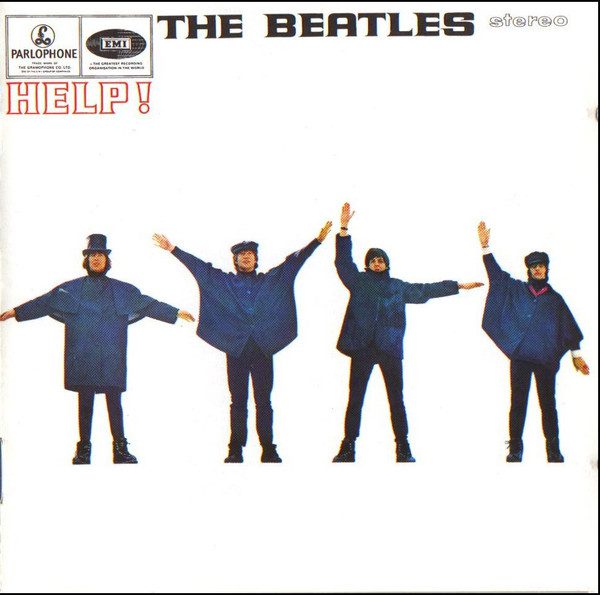
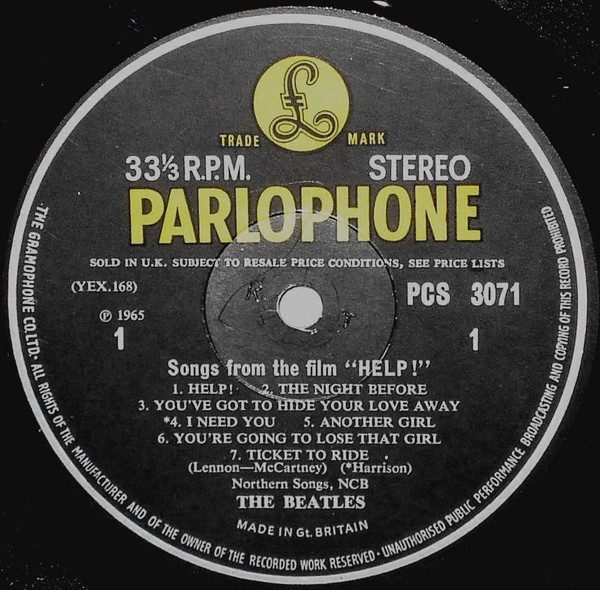
28- The Beatles – Help!. Parlophone – PCS 3071 (UK) (1965, Aug.) 33 1/3 rpm. Genre: pop rock, folk rock, country rock, ballad.
The Beatles scored a second film, this time titled Help!. While it wasn’t as acclaimed by critics as their first, it nevertheless influenced future music videos. The corresponding album—the Fab Four’s fifth LP—featured strong songwriting and numerous hits, some incorporating folk influences.
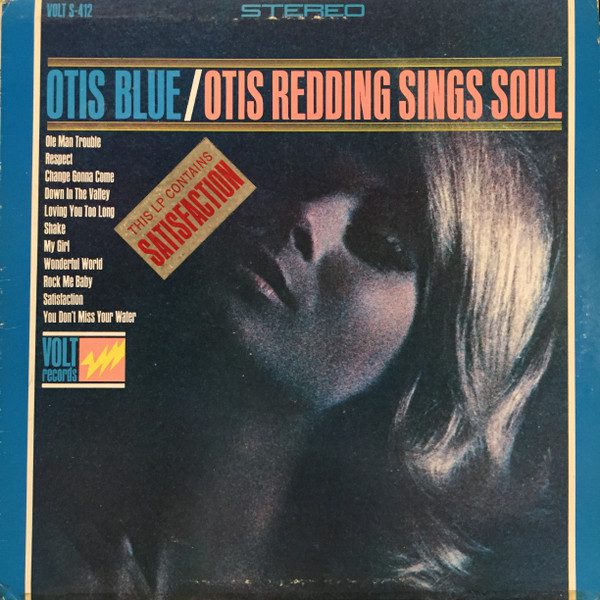
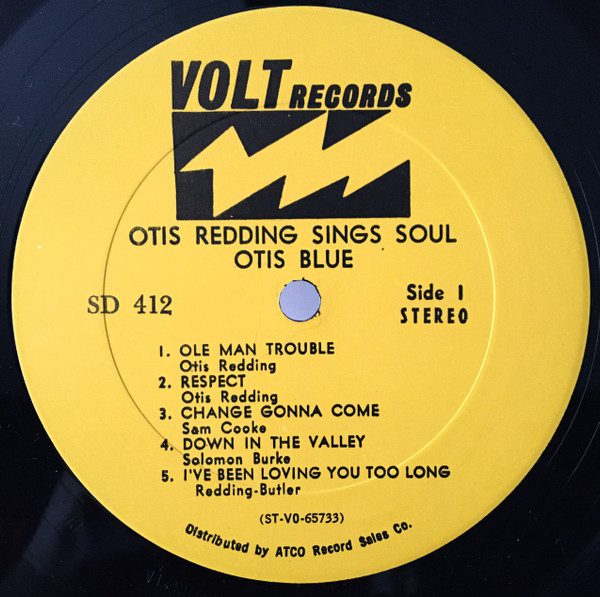
29- Otis Redding – Otis Blue/Otis Redding Sings Soul. Volt – SD 412 (1965, Sept.), 33 1/3 rpm, Analogue Productions – APA 035-45 (2024), (2×45 rpm). Genre: soul, Southern soul, R&B, blues, rock.
Backed by Booker T. & the M.G.s, members of the Mar-Keys and the Memphis Horns, and Stax songwriter, composer Isaac Hayes on piano; soul singer Otis Redding’s third album earned a lot of Respect along the way—something Aretha I’m sure would agree. Note that the stereo version, be it the original Volt pressing or double-45rpm A.P. reissue, presents the singer and instruments truly left-right hard-panned.
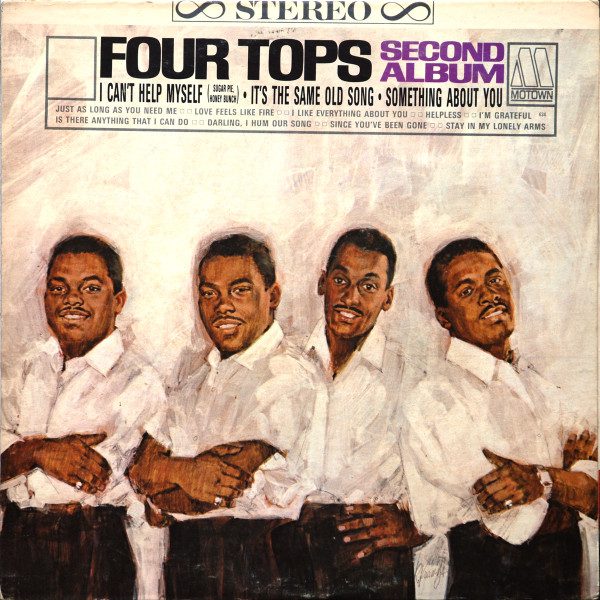
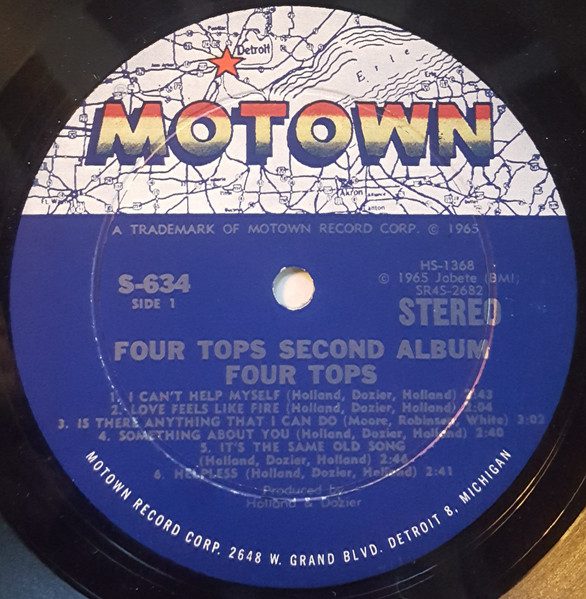
30- Four Tops – Four Tops Second Album. Motown – MS 634 (1965, Nov.), 33 1/3 rpm. Genre: ‘Motown sound’, soul, pop, rhythm & blues.
In November, Motown’s third major act, the Four Tops, released their second album, which featured two of their biggest hit singles: “I Can’t Help Myself” and “It’s the Same Old Song.”
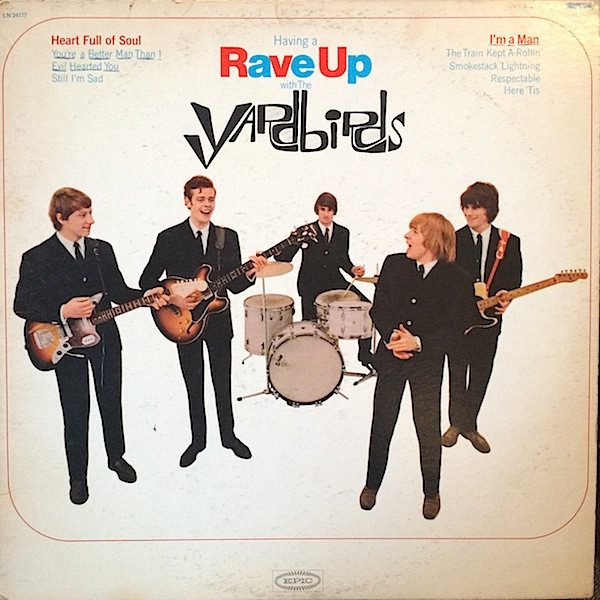
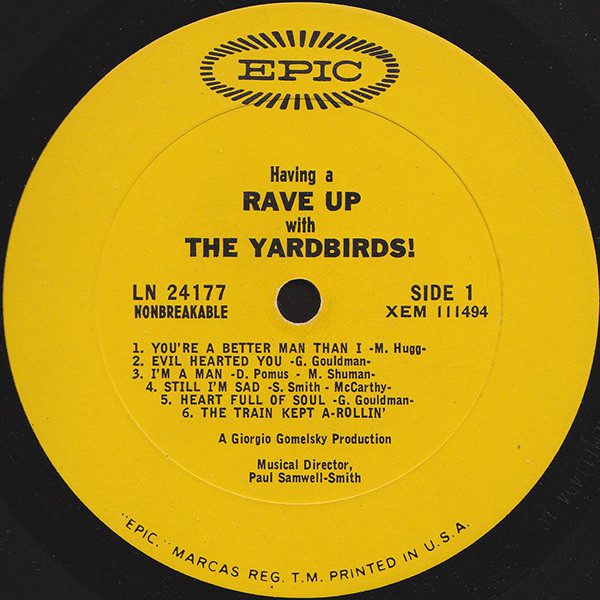
31- The Yardbirds – Having a Rave Up with the Yardbirds. Epic – LN 24177 (mono), (1965, Nov.), 33 1/3 rpm. Genre: blues rock, blues, beat, folk rock, experimental pop, psychedelic rock, raga rock, British R&B, garage rock.
Having a Rave Up is the Yardbirds’ third album. Side one features new studio material with Jeff Beck on lead guitar, while side two contains previously recorded live songs from the band’s debut album, which featured Eric Clapton. This album is where blues rock meets raga, planting the psychedelic seeds that would soon grow into experimental rock.
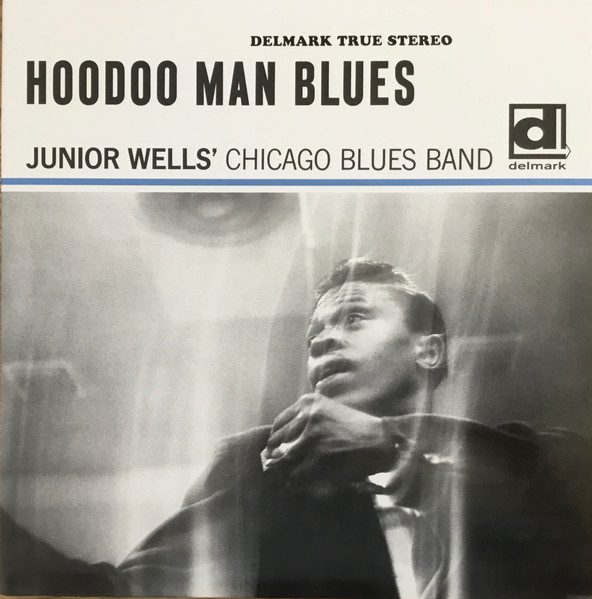
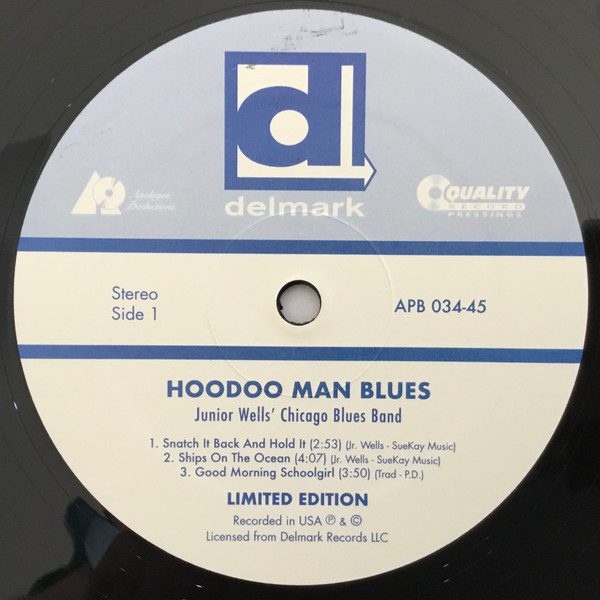
32- Junior Wells’ Chicago Blues Band – Hoodoo Man Blues. Delmark Records – DS-9612 (1965, Nov.), 33 1/3 rpm, Analogue Productions APB 034-45 (2020), (2×45 rpm). Genre: Chicago blues, rhythm & blues.
Accompanied by a ‘Friendly Chap’ guitarist named Buddy Guy, bassist Jack Myers, and drummer Billy Warren, Junior Wells’s debut LP Hoodoo Man Blues has all the hallmarks of a great Chicago blues-R&B record.
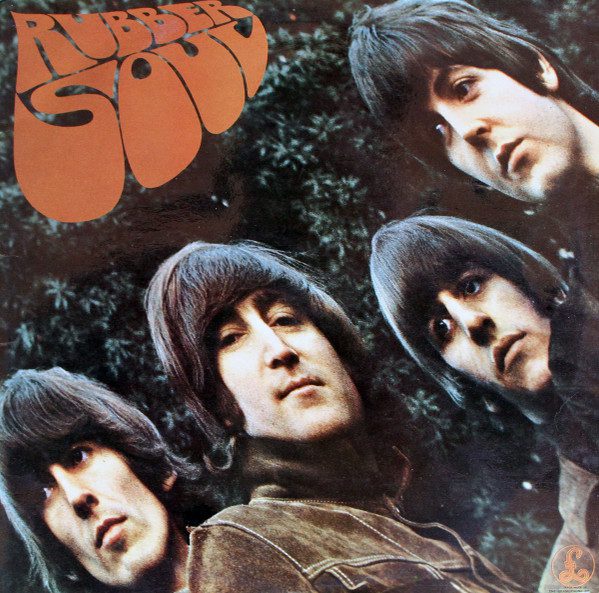
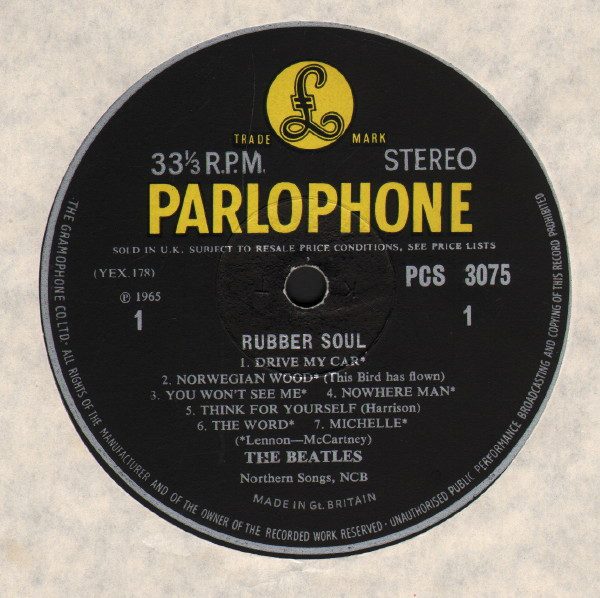
33- The Beatles – Rubber Soul. Parlophone – PCS 3075 (UK) (1965, Nov.) 33 1/3 rpm. Genre: rock, R&B, folk rock, raga rock, pop, pop rock, soft pop, ballad, country and western, rockabilly, baroque pop, rock and roll.
Towards the end of November, the Beatles released Rubber Soul. Their sixth studio album marked a definitive departure from the Fab Four’s earlier work, blending rock, baroque pop, raga rock, and folk rock—the latter influenced by Bob Dylan and the Byrds—rather than their usual peppy pop songs.
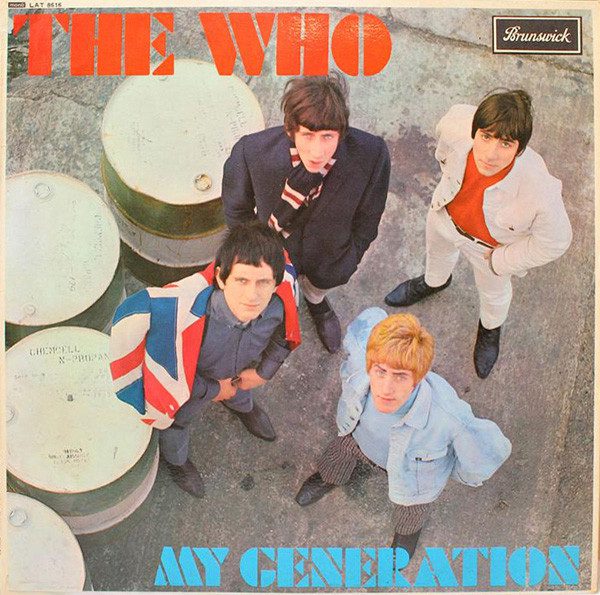
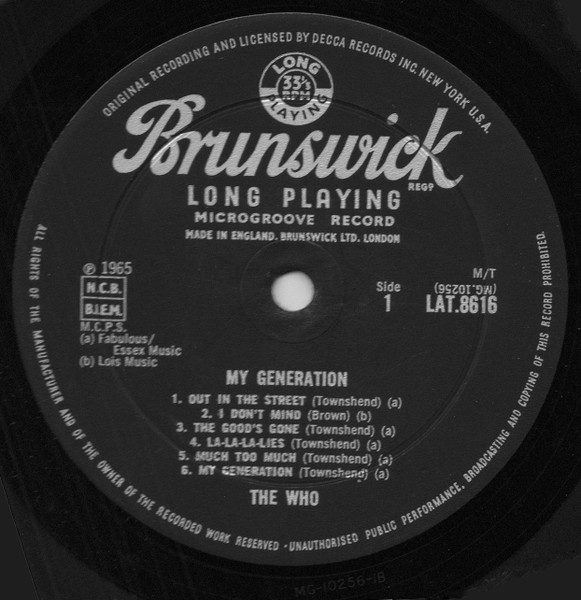
34- The Who – My Generation. Brunswick – LAT 8616 (UK) (mono), (1965, Dec.), 33 1/3 rpm. Genre: rock, mod pop, beat, garage rock, proto-punk, British R&B, power pop.
Hailing from London, the Who distinguished themselves from the Beatles and the Rolling Stones by crafting a style all their own. The title track of their debut album, released at the end of the year, provided a proto-punk template for the next generation of punks to follow.
For more from Claude Lemaire visit…
http://soundevaluations.blogspot.ca/











Leave a Reply