
 EN
EN  FR
FR 
For audiophile music lovers, the arrival of the holiday season often goes hand in hand with more free time—and thus more opportunities to enjoy one’s stereo system. Here, then, are a few personal recommendations of classical recordings on the theme of Christmas that will make your audio equipment sparkle.
Christmas “Hits”
Before going any further, I should mention that I am not really a fan of traditional holiday songs, even when they’re dressed up in classical garb. Many stars of the classical world have tried their hand at this exercise, and the results are, in my humble opinion, rarely outstanding. If tradition is essential for you, I would point you toward albums by Bryn Terfel (Deutsche Grammophon, renditions of well-known tunes in English and Welsh), by Leontyne Price and Herbert von Karajan in Vienna (Decca—they give far more, perhaps too much, than the listener might need), or by Renée Fleming and her charming Christmas in New York (Decca, more jazz than classical).
As for “pure” classical music, Tchaikovsky is, of course, unavoidable with his ballet The Nutcracker, which delights young and old alike. Audiophiles will opt for the hard-hitting version by Antal Dorati with the London Symphony Orchestra (Mercury), or the one overflowing with shimmering colours by Sir Simon Rattle in Berlin (EMI). Personally, I much prefer Sleeping Beauty, Tchaikovsky’s other childhood-related ballet, which is far more accomplished and entertaining musically. Once again, Antal Dorati in London (Philips/Universal) is unbeatable and makes me almost want to put on my tutu every time I listen.
Finally, and this may disappoint you, but the famous Messiah by Handel, traditionally performed everywhere—everywhere!—on all the stages of all the major cities during the holiday season, was actually written for… Easter! You don’t want to give up your habit of getting a dose of “Hallelujah” near the Christmas tree? I understand, and I’ll be doing it too. For my part, I usually choose René Jacobs’s version (Harmonia Mundi), a major reference both for its interpretation and for the quality of the recording.
My Favorite Discs
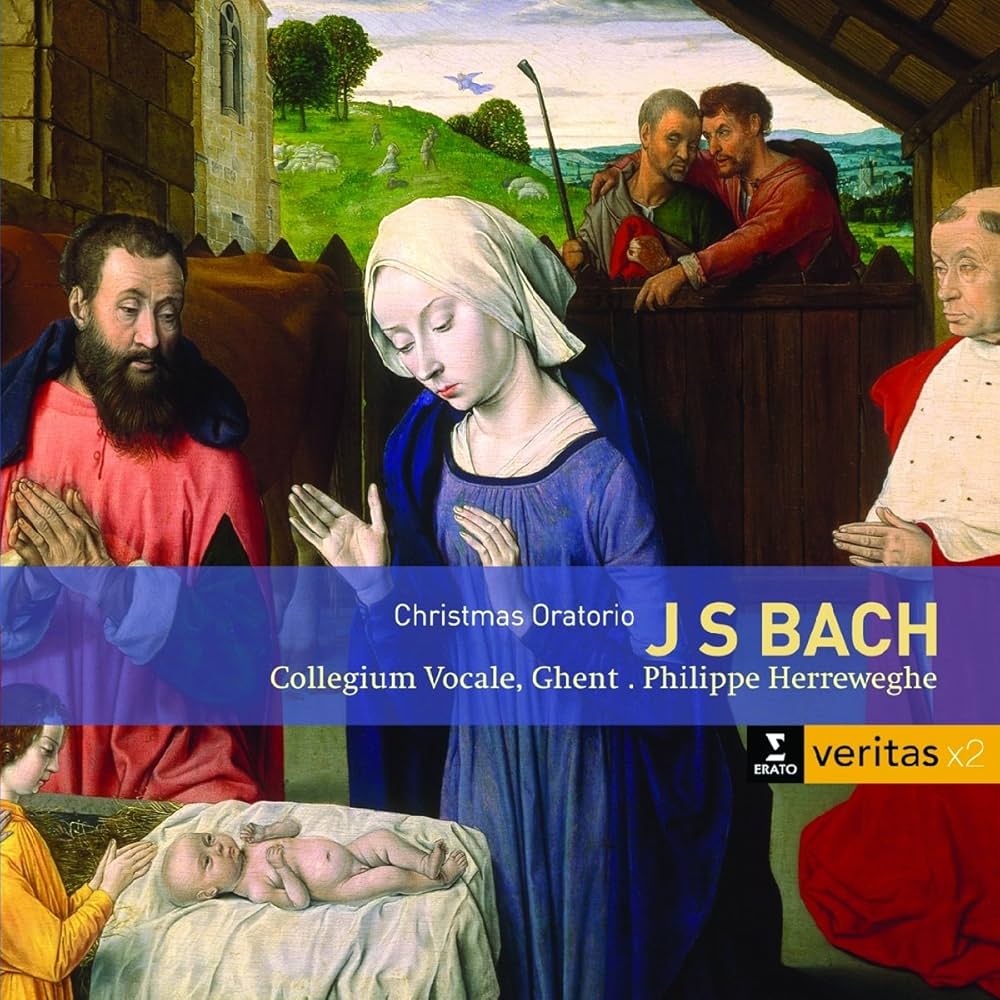
Bach: Christmas Oratorio
Philippe Herreweghe (conductor)
Collegium Vocale, Ghent
Erato B004OGDW4C
It is the Baroque era that left us the most compelling works on the theme of the Nativity. One thinks in particular of Schütz and his Weihnachtshistorie SWV 435 (The Christmas Story) from 1664; of Charpentier and his Messe de Noël H.9; and above all of Johann Sebastian Bach, who bequeathed to posterity numerous Christmas cantatas and his sumptuous Weihnachtsoratorium BWV 248 (Christmas Oratorio) of 1734.
Among the many excellent versions available, I have always remained attached to the one Philippe Herreweghe recorded in 1989 for Virgin Classics, now available on Erato. Each of the six parts of this oratorio (or six cantatas) is presented in a musical setting of the highest caliber. The Collegium Vocale Gent and its orchestra are superb, with shimmering voices and complete instrumental mastery. Note the presence of Pierre Hantaï, then little known, at the organ, as well as his brother, Pierre, on the flute.
As for the soloists, we find great names here: Barbara Schlick, Michael Chance, Howard Crook, and Peter Kooij. Herreweghe succeeds in blending into a coherent whole the purely aesthetic beauty of the music, the piety of the text, and the joy associated with the Nativity. A truly great recording, with excellent sound engineering that places the listener before a wide soundstage—ideal for savouring a magnificent musical fresco.
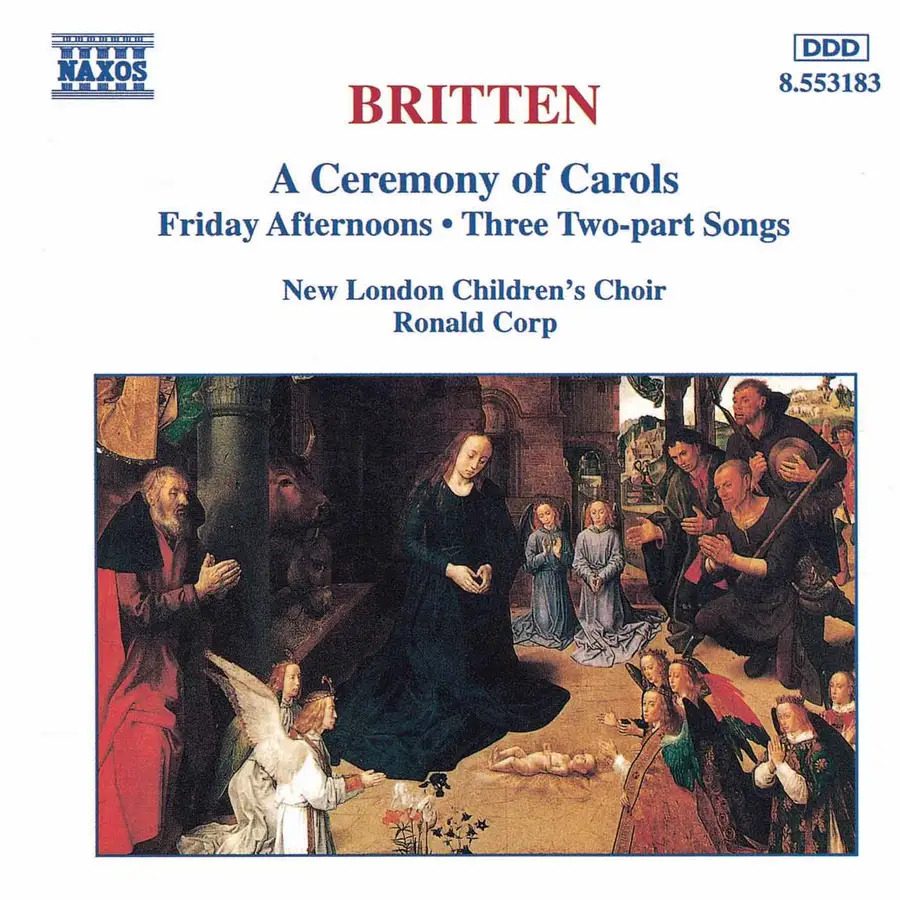
Britten: A Ceremony of Carols
New London Children’s Choir
Ronald Corp
Naxos 8553183
You certainly know the album A Charlie Brown Christmas by the Vince Guaraldi Trio. Benjamin Britten’s Friday Afternoons is something of its counterpart—very English indeed—in the world of so-called classical music, in that the choir of young boys recalls the youthful sonorities of Guaraldi’s album.
Britten composed this collection of twelve songs between 1933 and 1935 for the pupils of a primary school in Wales run by his elder brother. The latter offered choral singing classes on Friday afternoons—hence the name of this most enchanting cycle. Although only one of the songs (“New Year Carol”) officially relates to the holiday season, I associate the entire cycle with it.
In fact, this disc is truly a Christmas album, as it also bears the name of another song cycle dedicated to the Nativity, namely A Ceremony of Carols, a collection of medieval and Renaissance texts set to music for the season. In the case of this recording, I slightly prefer Ronald Corp’s interpretation—very classical and youthful—to Britten’s own on Decca, which is more modernist in certain respects. That said, the Naxos recording does not quite match the sound quality of the Britten version. You can judge for yourself.
In any case, let us not deny ourselves the pleasure of the Corp version, which touches the heart immediately.

Elgar: The Starlight Express
Scottish Chamber Orchestra
Sir Andrew Davis
2 SACDs, Chandos CHSA 5111(2)
British composer Edward Elgar’s The Starlight Express—having no connection whatsoever with Andrew Lloyd Webber’s musical of the same name—sits at the top of the pile of recordings I cherish most for enhancing the weeks leading up to Christmas. The music, dating from 1915, was composed to accompany a theatrical adaptation of Algernon Blackwood’s novel A Prisoner in Fairyland. The story depicts a fantastic world populated by children who possess an enchanted light—an ability adults have lost.
In this 2012 recording, Sir Andrew Davis offers an adaptation of the incidental music that replaces the original play’s dialogue with soprano, baritone, and a narrator—a choice that suits the disc format much better. As a supplement, Davis also includes an orchestral and vocal suite without the narrator, a highly successful forty-five-minute condensation of the stage music.
Released in 2012, this generous boxed set quickly became my holiday-season classic. This is due, first of all, to the conductor’s sparkling, almost cinematic interpretation. One immediately senses the affection he has for this music. There are also the singers, all excellent, and above all the narrator, the ineffable Simon Callow, who clearly takes pleasure in lending his voice to this host of characters, especially the children.
The sound engineering and production further add to the magic of this disc. Airy and free of excessive brightness, the recording immerses the listener in an atmosphere perfectly suited to the holiday spirit. The album remains available on CD/SACD (I have not heard the SACD layer, offered in stereo and 5.1) and comes in a handsome cardboard box with a well-documented booklet. Downloads are available in 24/96 format from several providers but, unless I am mistaken, not in DSD.
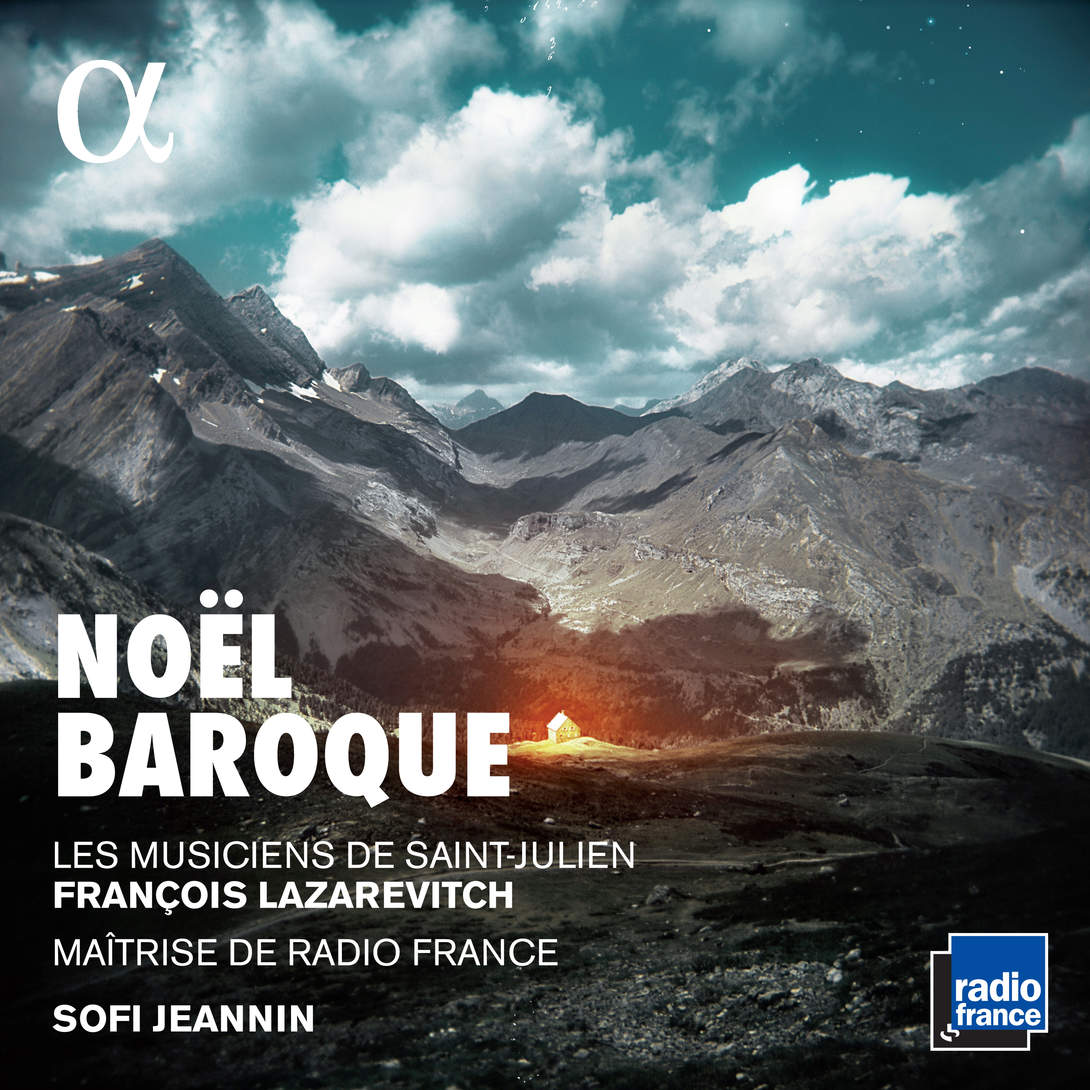
Noël baroque
François Lazarevitch
Les Musiciens de Saint-Julien
Alpha 266
Allow me to be a little chauvinistic. In addition to being superbly recorded, the disc I am proposing here truly stands out from the ordinary, even among albums built around the Nativity in the Baroque era. François Lazarevitch carefully selected his texts from popular culture and folklore, mainly French, and paired them with music by great “learned” composers of the French Baroque: Charpentier, Delalande, Balbastre, Dandrieu, and Daquin, who themselves had drawn inspiration from these popular treasures to create their masterpieces.
Let us applaud Lazarevitch’s choices, particularly his use of arrangements and instruments with a popular flavour, such as the two recorders and bassoon featured in the solo parts of Corelli’s famous Concerto for Christmas Night. As for the texts, we should mention the extraordinary “Jesous Ahatonhia” (“Jesus Is Born”), a hymn in the Wendat language—of the Huron-Wendat nation, whose historical territory includes my beautiful city of Quebec (hence the mention of origins!)—collected by Jean de Brébeuf in the early 1640s, as well as “C’est une fille muette,” a traditional Québécois song.
The whole is performed with passion and respect by Les Musiciens de Saint-Julien and beautifully sung by the children’s choir of the Maîtrise de Radio France. A true gem.
*
Several new releases devoted to the Nativity caught my attention this year, and I have selected three for you—always with a meticulous focus on top-tier sound quality. And to wish you a Happy New Year, I am also offering a few discs that start spinning in my CD player as early as the morning of December 26.
Standout New Releases for 2025

Feminine Voices at Christmas
Ensemble Altera, Christopher Lowrey
ALPHA 1182
A magnificent surprise! This disc captivated me from start to finish—it was impossible to listen to only a few excerpts. The program, fascinating in many respects, brings together works composed largely by women and spanning many eras. Conductor Christopher Lowrey chose to feature only the female voices of his Ensemble Altera, based in Newport, Rhode Island, which has been recording for the Alpha label for several years.
In the booklet, Lowrey explains his choice of repertoire as follows: “I have interspersed works by no fewer than eight women with music—such as Ceremony of Carols—perhaps better known to us, entirely for treble choir, but initially conceived for women’s choir, with the hope of embracing the many enthralling possibilities of the feminine voice.” Enthralling is indeed the right word.
Only organ and harp accompany the choir, which is very homogeneous and of great tonal beauty. The harp, in particular, creates in several works an almost mystical halo around the music—as is especially the case in Welcome Joy and Welcome Sorrow by Imogen Holst, Gustav Holst’s only daughter. The centerpiece is, of course, Britten’s A Ceremony of Carols, performed with great mastery and finesse. As with Britten himself—who ultimately chose boys’ voices for his famous Decca recording—I slightly prefer the youthful timbres in this work, but the women’s voices and Lowrey’s assured interpretation contribute greatly to our understanding of the cycle.
The chief merit of this disc lies in its willingness to venture off the beaten path, offering a program rich in hidden gems while enveloping the listener in a gentle glow.
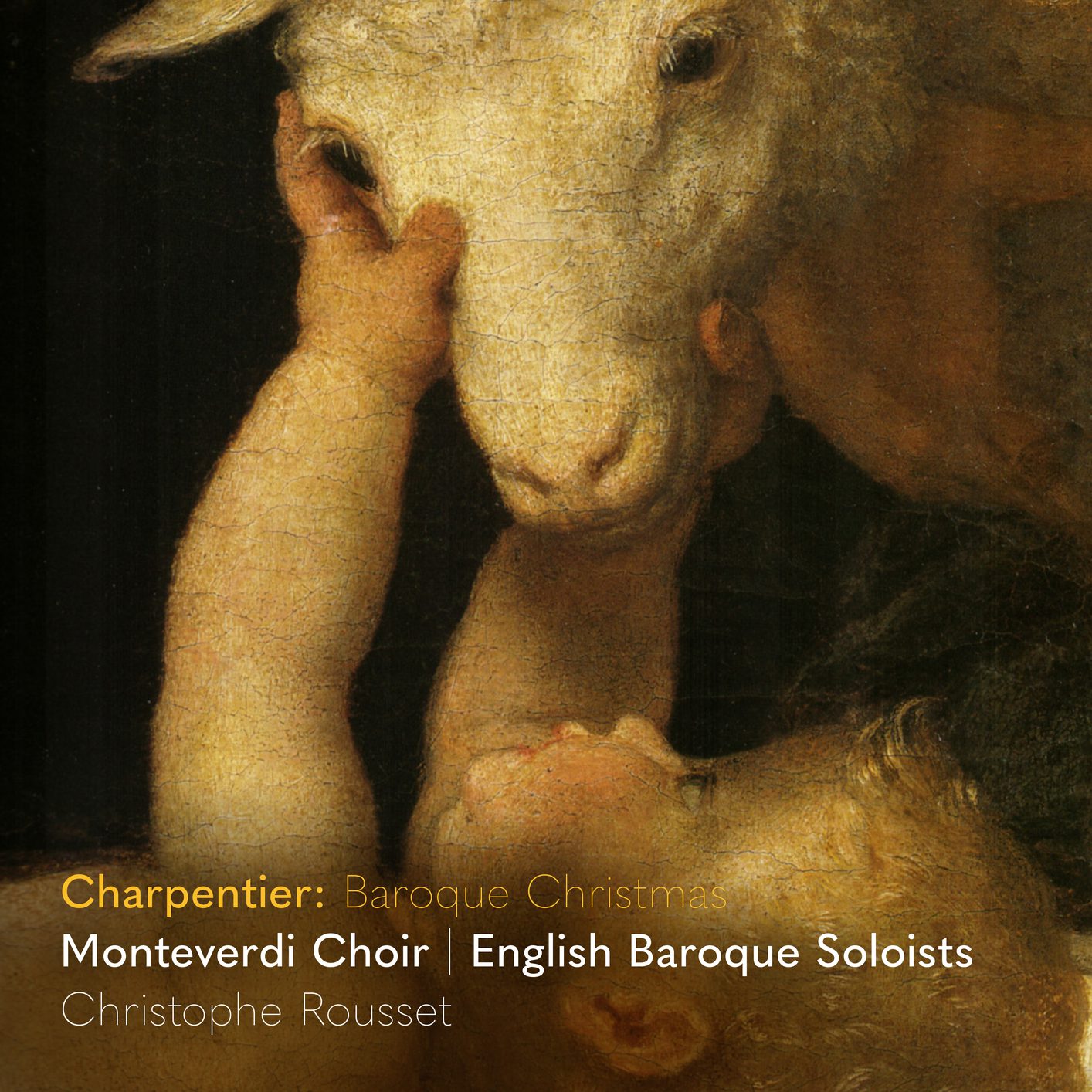
Charpentier: Baroque Christmas
Christophe Rousset
Soli Deo Gloria
Marc-Antoine Charpentier’s Messe de Minuit pour Noël, H.9 (Midnight Mass for Christmas), composed around 1694 for the Jesuit Church of Saint-Louis in Paris on the Île Saint-Louis, near Notre-Dame Cathedral, is—along with Bach’s Christmas Oratorio—one of the most frequently performed Baroque works of the Christmas season. Released in late September 2025, this new version by French harpsichordist and conductor Christophe Rousset, on John Eliot Gardiner’s Soli Deo Gloria label with the Monteverdi Choir and the English Baroque Soloists, will undoubtedly mark a milestone.
We will return shortly to the interpretation, but first a few words about the program. Rousset opens with In nativitatem Domini canticum H.416 (A Song for the Nativity of the Lord). The excellent booklet by musicologist Andrew Frampton explains that this work is one of the 35 oratorios—or dramatic motets—left to us by Charpentier, and one of only four composed specifically for Christmas. The Italian influence of his teacher Carissimi, with whom he studied in Rome, is readily apparent. This is a crucial point, as it highlights Charpentier’s desire to integrate Italian style into French music at a time when Jean-Baptiste Lully—official composer to Louis XIV and himself of Italian origin—was actively seeking to suppress any transalpine influence in French musical life.
Between this sublime motet, full of piety and reverence, and the Messe de Minuit pour Noël, Rousset inserts four excerpts from the two instrumental suites known as Noëls sur les instruments H.531 and H.534, serving as an exquisitely played musical appetizer. Then comes the famous Messe de Minuit pour Noël, followed by four further excerpts from the Noëls sur les instruments.
The Mass is presented here, one might say, “at human height”: compared with many other recordings, Rousset places the listener at home close to the manger. He deliberately avoids the fireworks displayed in Marc Minkowski’s very (too?) spectacular and virtuosic version. In the end, Rousset—through a program expertly balanced between splendour and contemplation—delivers a perfect holiday-season recording that invites repeated listening without fatigue. The sound engineering, simultaneously precise, well spatialized, and warm, aligns flawlessly with the conductor’s artistic vision.
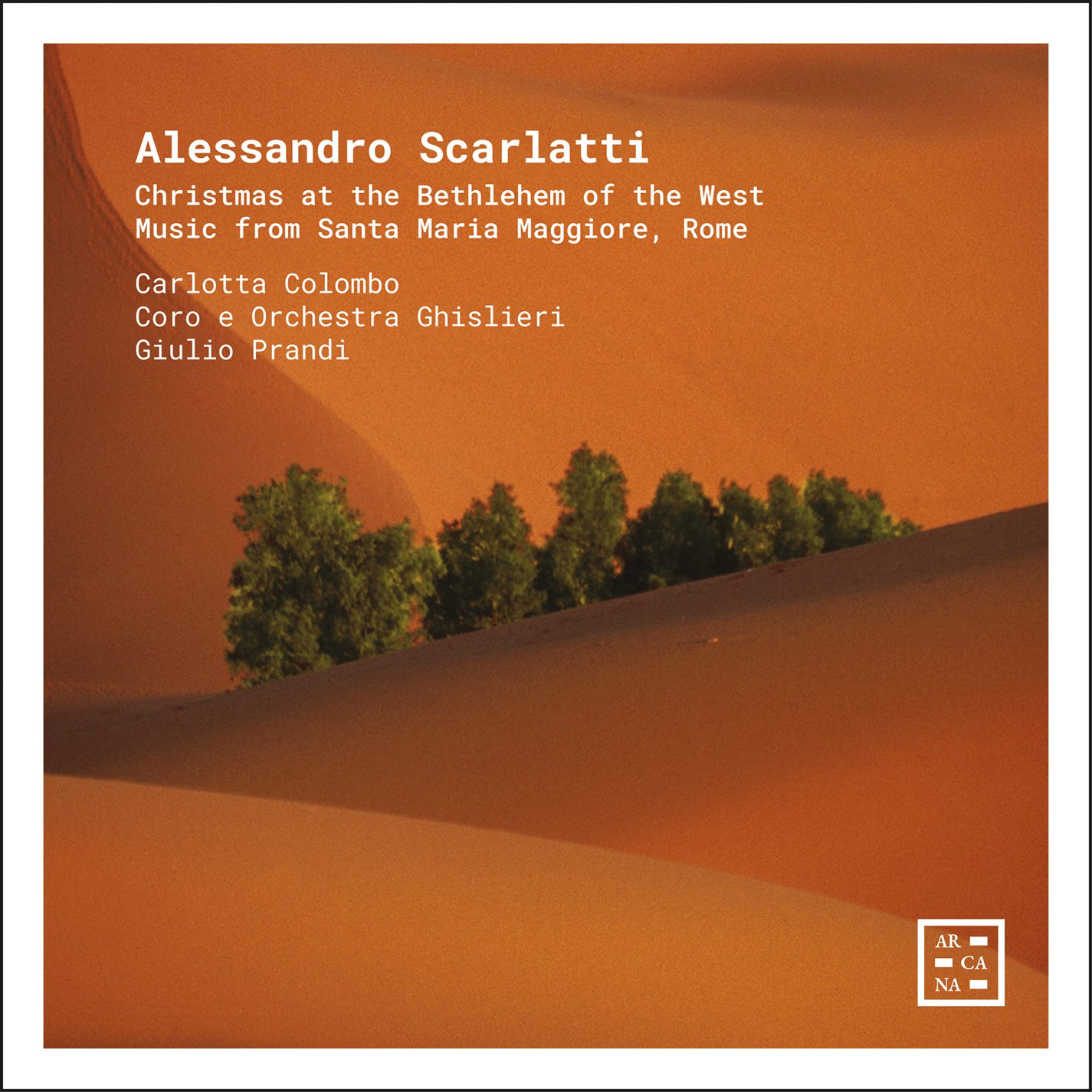
A. Scarlatti: Christmas at the Bethlehem of the West
Coro e Orchestra Ghislieri, Giulio Prandi
Arcana A587
The title of this magnificent album, Christmas at the Bethlehem of the West, deserves some context. It refers to the Basilica of Santa Maria Maggiore in Rome, renowned during the Baroque era for the grandeur with which Christmas was celebrated there. This reputation rested largely on centuries of devotion, exemplified by the Nativity scene donated in 1291 by Pope Nicholas IV, crafted from marble statues by the celebrated Arnolfo di Cambio. This Nativity scene made such a lasting impression—still admired today—that the basilica came to be known as the “Bethlehem of the West,” hence the album’s title.
This setting offers conductor Giulio Prandi an ideal opportunity to present a sublime program devoted primarily to Alessandro Scarlatti (1660–1725), while also commemorating the 300th anniversary of the great composer’s death in 2025. Indeed, Alessandro Scarlatti—not to be confused with his son Domenico, who composed some 555 keyboard sonatas beloved by harpsichordists and pianists—wrote several works in 1707 for Santa Maria Maggiore.
Better known for his roughly seventy operas—drammi and commedie per musica—mostly written and premiered in Rome, Alessandro Scarlatti nonetheless held the post of chapel master several times throughout his career. This was the case in 1707, when he served as maestro di cappella at Santa Maria Maggiore. Giulio Prandi has selected three works by Scarlatti composed for the Christmas celebrations of that year: the Messa per il Santissimo Natale (Mass for the Most Holy Christmas) and the motets Beata Mater and O magnum mysterium, along with the pastoral chamber cantata Non so qual più m’ingombra H.476 from 1716.
The program is completed by the exquisite Messa a quattro concertata con violini per la notte di Natale (Concertante Mass for Four Voices with Violins for Christmas Night) by Giovanni Giorgi (c. 1690–1762), also composed for Santa Maria Maggiore and presented here in its world-premiere recording. This fine Baroque album offers listeners an evocative sense of the Roman church experience at the dawn of the eighteenth century, celebrating the Nativity. Backed by a remarkably transparent recording, Prandi’s interpretation tastefully conveys both the intimate and the sumptuous aspects of this sacred music.
Discs for the New Year
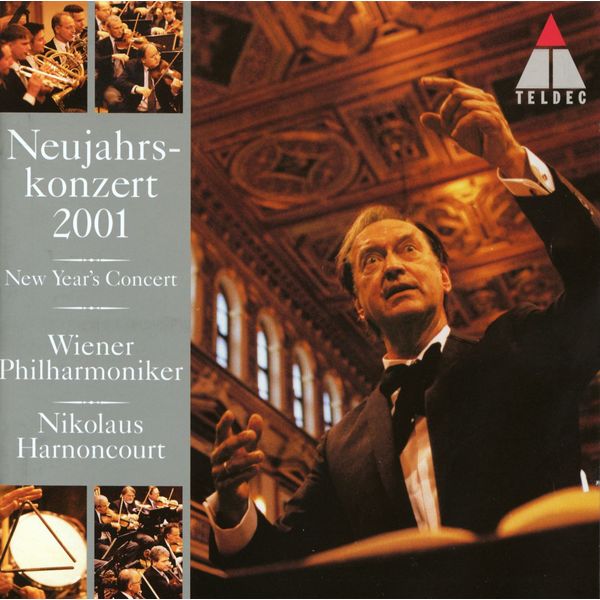
Harnoncourt: Neujahrskonzert 2001
Vienna Philharmonic
Teldec 8573-83563-2 / Warner 5050466-2244-2-2
If I’m at home on the morning of December 26, I wake the household with the fabulous album conducted by the Viennese maestro Nikolaus Harnoncourt, recorded in January 2001 during the traditional New Year’s Concert of the Vienna Philharmonic (Wiener Philharmoniker Neujahrskonzert). The disc is available on CD, DVD-Audio, and DVD-Video (Europe only), but for streaming it is offered only in 16/44 format.
This tradition, dating back to 1939—just before the outbreak of the Second World War—features the leading conductors of the day, who come to lead one of the world’s finest orchestras (my personal favourite) through the rich repertoire of Viennese waltzes. In Harnoncourt’s case—he also served as guest conductor for the 2023 concert—the very natural, three-dimensional sound places the percussion prominently in the foreground. It is true nectar for audiophiles who don’t mind indulging in a waltz or two.
The 2026 edition will feature the Québécois conductor Yannick Nézet-Séguin. Tradition has it that the recording becomes available about ten days after the event.
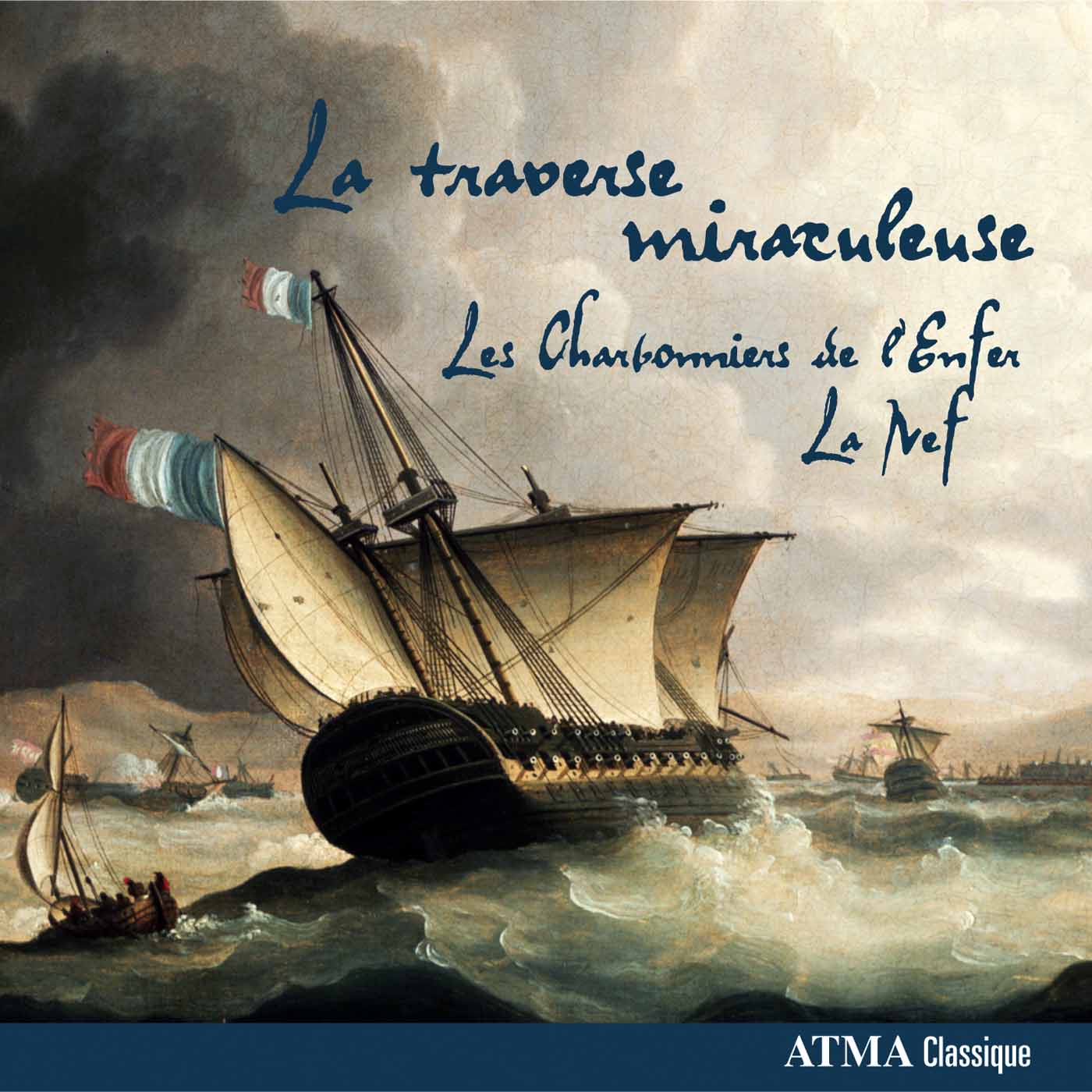
La traverse miraculeuse
Les Charbonniers de l’Enfer, La Nef
ATMA ACD2 258
The other album I listen to most at the start of each year showcases traditional Québécois and Acadian music, a tradition still deeply rooted in many Quebec families. It is La traverse miraculeuse, the result of an extraordinary collaboration between the ensemble La Nef—specialists in early music and oral traditions—and Les Charbonniers de l’Enfer, one of the finest Québécois traditional music groups.
This disc offers a generous collection of songs gathered in Quebec and Acadia by the members of Les Charbonniers de l’Enfer, presented in both old-fashioned and highly refined musical arrangements. The texts focus on the British conquest of New France (circa 1759) and on the perils of crossing the Atlantic Ocean that separated New France from the mother country. The absolutely stunning recording, engineered by Anne-Marie Sylvestre, has left many of my audiophile friends speechless. Treat yourself!
***







Leave a Reply