
 EN
EN  FR
FR 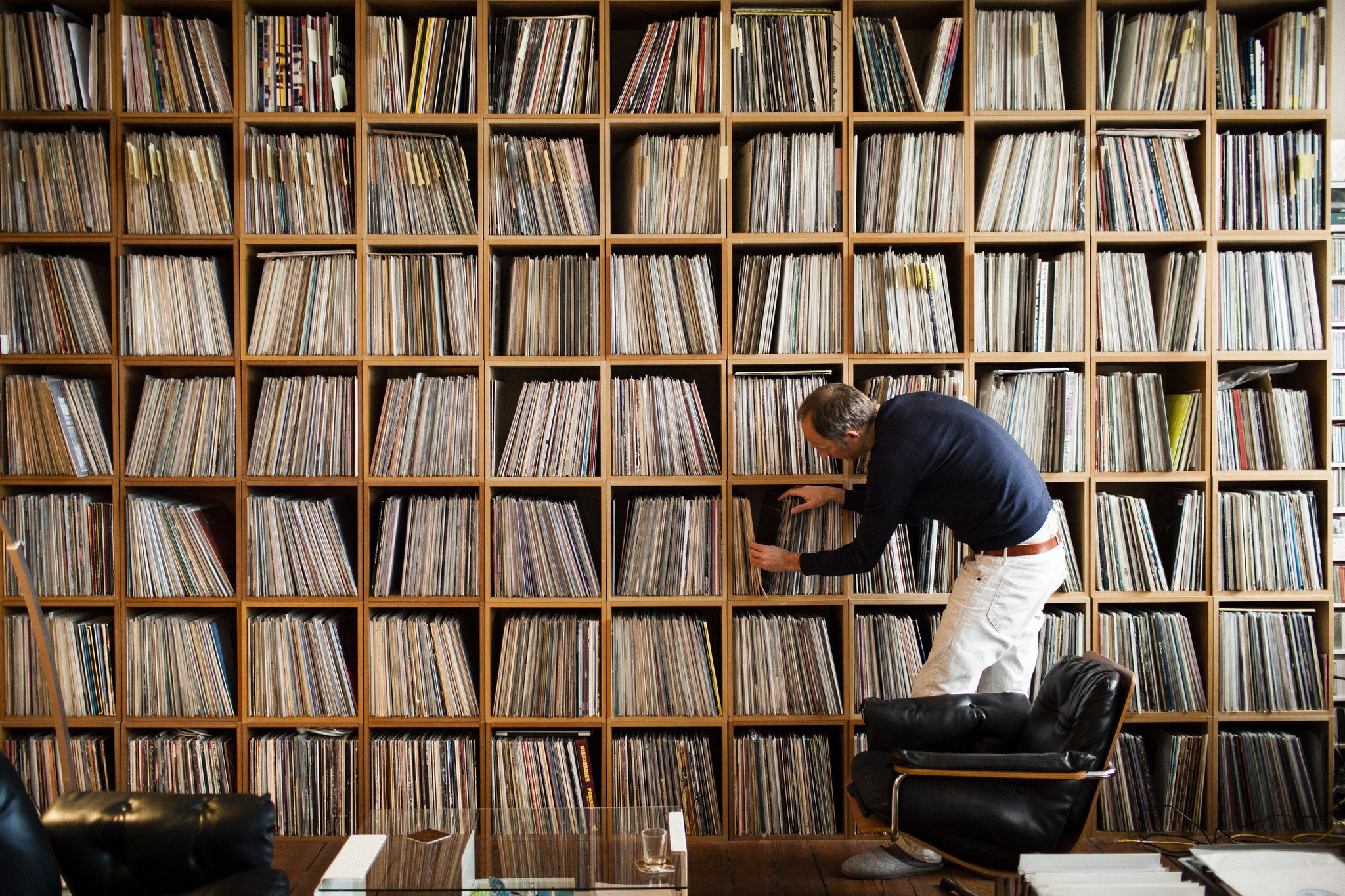
PREAMBLE
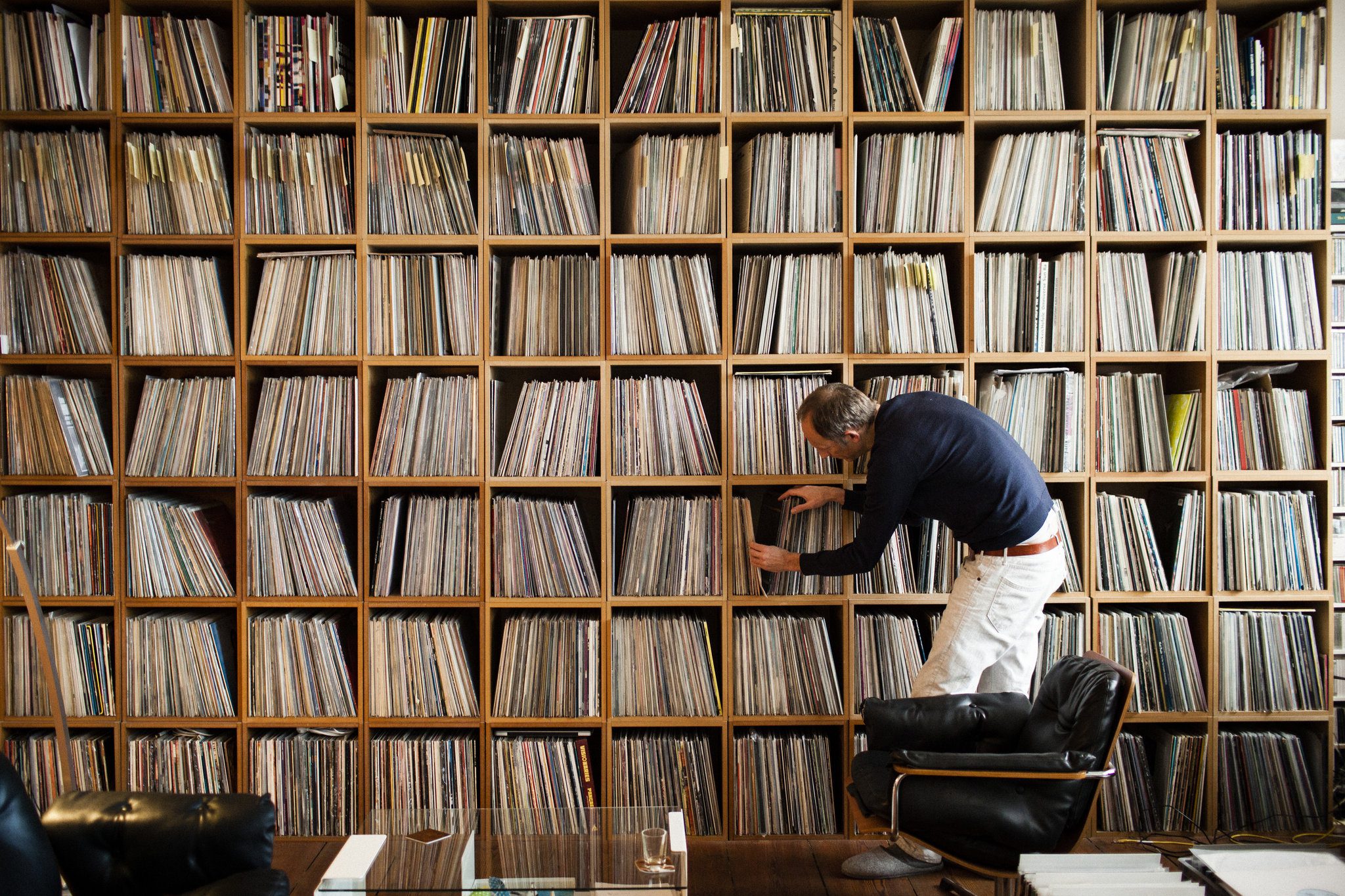
Building a record collection from scratch can be both great fun and intimidating. It can also be more expensive than it used to be, as the once “dying format” has shown remarkable resilience since its resurgence beginning in 2007. With so many great records out there, it’s impossible to include every single one across all genres. For this series, I’ll limit my scope to pop, rock, and soul, beginning with the 1960s.
To cover as many titles as possible, I’ll skip my usual song and sound analysis, and simply post the pertinent record-label information and music genre. In some cases, I’ll also suggest a superior-sounding reissue. Most of these pressings should sound great given the right system. If you can’t find a recommended pressing or find it too expensive, simply choose an alternative pressing. Any quick visit to Discogs’ database or your local record shop will show that prices are all over the map, varying anywhere from a dollar to several thousand, though most fall under $200, with the majority under $80. Note that pricing has little to do with sound quality or musical value. It’s usually tied to rarity, condition, and supply-and-demand economics.
Regarding second-hand records, an established rating convention–similar to what is found in the comic book world–grades the vinyl and outer sleeve condition with a series of letter abbreviations, with ‘M'(int) and ‘NM’ at the top, representing sealed or “like new” copies, followed by ‘VG+’ (Very Good Plus) indicating some minor wear or “ticks and pops.” These are all to a certain degree subjective ratings, but worth considering. Personally, I tend to avoid anything graded ‘VG’ or lower.
People often ask if it’s better to get the original pressing or buy a quality reissue. Unfortunately, there’s no clear answer. Advocates for originals (OGs) argue that the master tape was fresh and pristine at the time, ensuring all the micro-information embedded on the tape was captured in the lacquer and first pressings. That makes sense, especially since certain tape formulations deteriorate over time. On the other hand, in the past, cutting engineers often filtered out the lowest bass to keep cheap cartridges from jumping out of the grooves. Quality reissues usually avoid this, providing lower bass and more extended highs, though sometimes to the point that the latter may sound overly detailed to the point of analytical. The best reissue/remastering labels are (in alphabetic order): Acoustic Sounds/Analogue Productions, Classic Records, Craft Recordings, DCC, Music Matters, Rhino, Tone Poet (Blue Note), and, of course, the one that started it all back in 1978: Mobile Fidelity Sound Labs (MoFi, MFSL).
After nearly 50 years of experience with vinyl, my conclusion is it’s a case by case basis rather than a clear consensus.. As the saying goes, to each his own.
One last note: Regarding analogue vs. digital, with the exception of a handful of classical and jazz recordings around 1978–79, all original recordings from the ’60s and ’70s were recorded, mixed, mastered, and cut entirely in analogue.
Good hunting!
***
1966
Past the halfway mark of the sixties, psychedelic drugs not only entered minds, but music as well. This altered the perception of many musicians, allowing them to explore new facets of composition, improvisation, and musical structure, while incorporating Indian music and Middle Eastern modalities into pop, rock, and folk. As a result, songs started to get longer, albums became the dominant format, with mono and stereo still sharing the shelves in record stores. Meanwhile, Memphis and Motown monopolized the soul charts. As garage rock and proto-punk pushed in one direction, the ever-growing anti-Vietnam War movement paved the way for protest songs to resonate in the streets.
Folk duo Simon & Garfunkel’s debut album, Wednesday Morning, 3 A.M., was initially unsuccessful upon its release. Following in the footsteps of folk troubadour–turned–rock poet Bob Dylan, Columbia producer Tom Wilson added electric guitar and rhythm section to the duo’s original acoustic recording of “The Sounds of Silence.” His intervention proved pivotal, propelling the song to number one on the U.S. Billboard Hot 100 in January 1966.
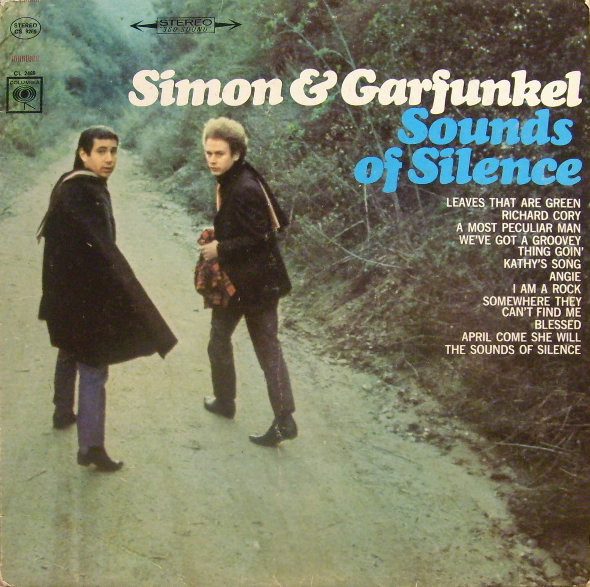
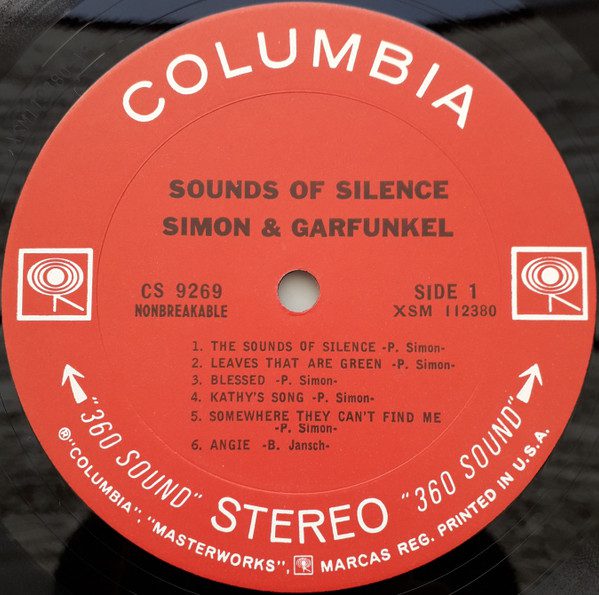
34- Simon & Garfunkel – Sounds of Silence. Columbia – CS 9269 (1966, Jan.), 33 1/3 rpm. Genre: folk rock, pop rock.
In February, the Supremes’ success continued with their eighth studio album, I Hear a Symphony. Composed and produced by legendary songwriting and production trio Holland–Dozier–Holland, it includes the title track and “My World Is Empty Without You,” with the remaining songs consisting mostly of covers.
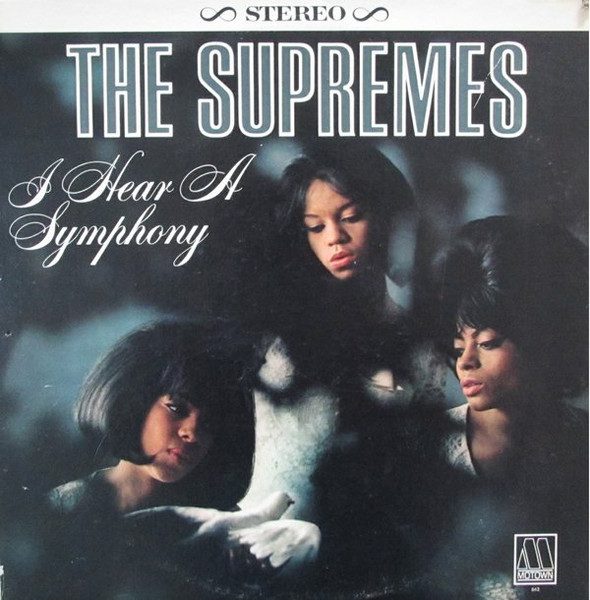
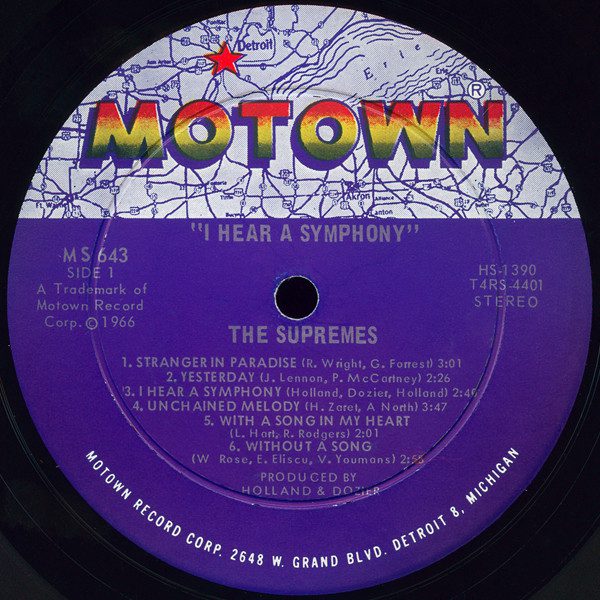
35- The Supremes – I Hear a Symphony. Motown – MS 643 (1966, Feb.), 33 1/3 rpm. Genre: ‘Motown sound’, pop-soul, baroque pop, R&B.
Singers Cass Elliot, Michelle and John Phillips, and Denny Doherty formed the central pillar of the Mamas & the Papas. Supporting musicians, including flutist Bud Shank, completed the lineup on the group’s debut album, which featured their two biggest hits, “California Dreamin’” and “Monday, Monday,” ushering in a burst of sunshine pop.
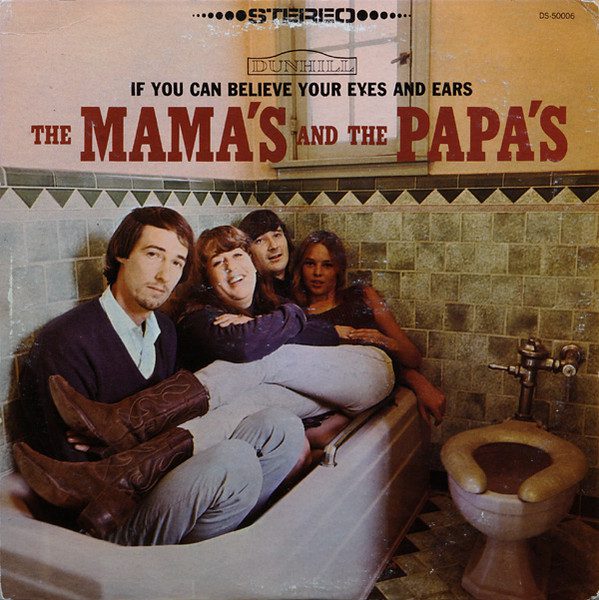
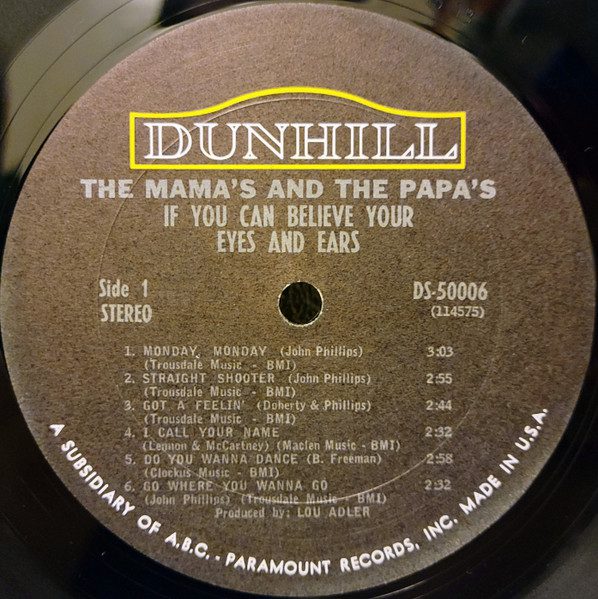
36- The Mamas & the Papas – If You Can Believe Your Eyes and Ears. Dunhill – DS-50006 (1966, Feb.), 33 1/3 rpm. Genre: folk rock, pop rock, sunshine pop.
Led by singer Arthur Lee, Los Angeles’ Love—along with the Paul Butterfield Blues Band—were among the first rock acts to sign with Elektra Records, nearly a year before the Doors’ debut LP was released. Less well known to the public than the Doors, Love’s self-titled debut comprises fourteen short tracks blending folk rock, garage rock, psychedelic rock, and R&B.
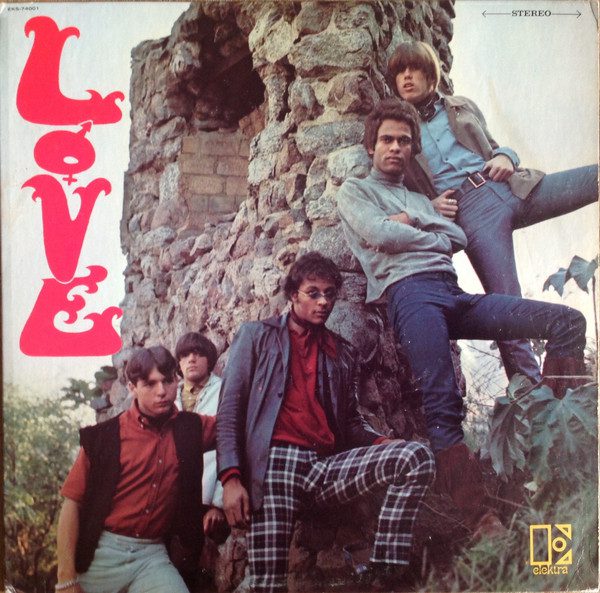
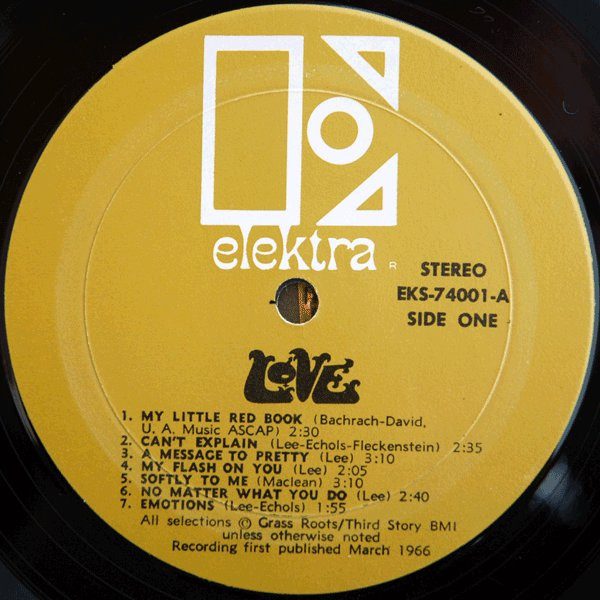
37- Love – Love. Elektra – EKS-74001 (1966, Mar.), 33 1/3 rpm. Genre: folk rock, garage rock, psychedelic rock, R&B.
Soul duo Samuel Moore and Dave Prater, better known simply as Sam & Dave, released their debut LP in April, featuring the title track. Backing them were Booker T. & the M.G.’s, the Mar-Key Horns, Isaac Hayes, and other Stax house musicians.
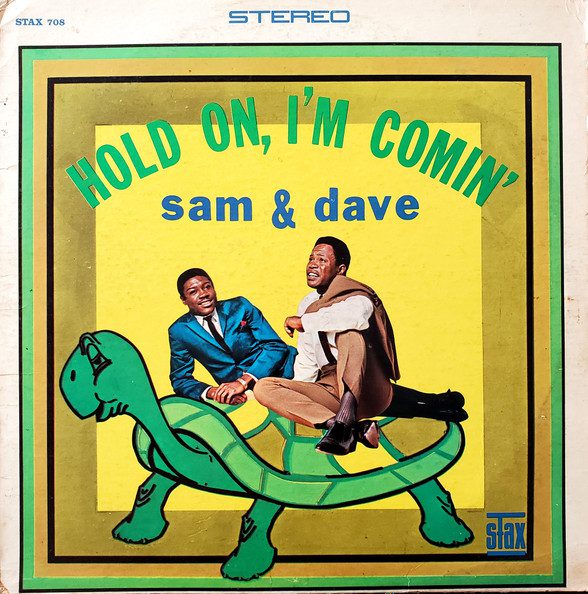
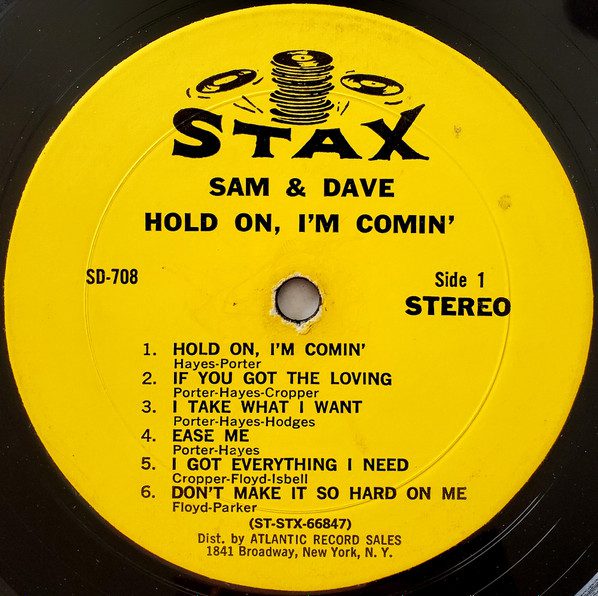
38- Sam & Dave – Hold On, I’m Comin’. Stax – SD 708 (1966, Apr.), 33 1/3 rpm. Genre: Memphis soul.
The Stones’ fourth album, Aftermath, affirms the group’s creative coming of age, featuring exclusively original compositions rather than the mix of covers and originals found on earlier releases. Influenced by the Beatles’ Rubber Soul, the band experimented with nontraditional rock instruments while also moving away from its blues-based roots. Though recorded at RCA Studios in Hollywood, the album was first released in the UK on Decca in April, followed by the U.S. version on London Records in May. The latter is the preferable choice, as it opens with the raga-rock, sitar-inflected psychedelic “Paint It Black,” which is absent from the UK edition. Both versions, however, include “Lady Jane” and the soulful “Under My Thumb.”
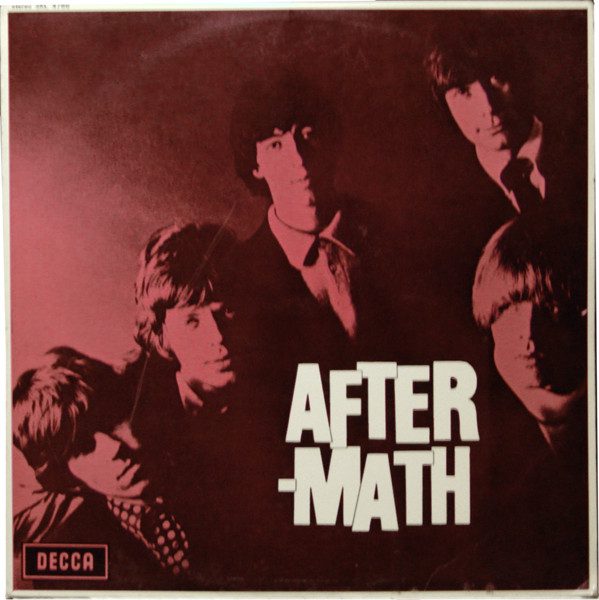
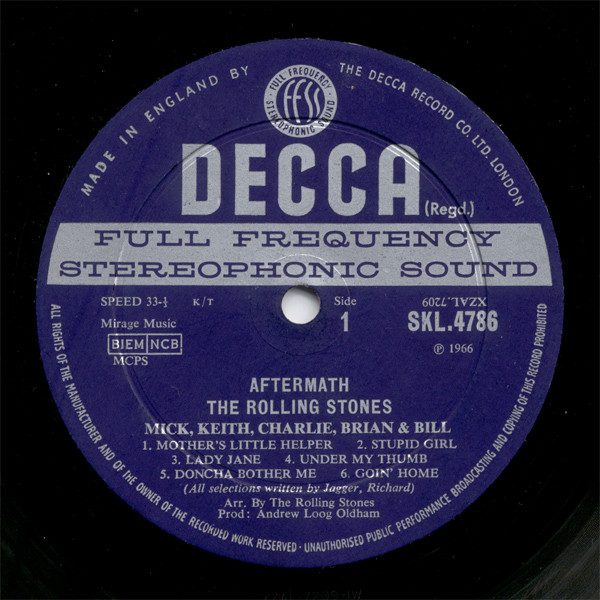
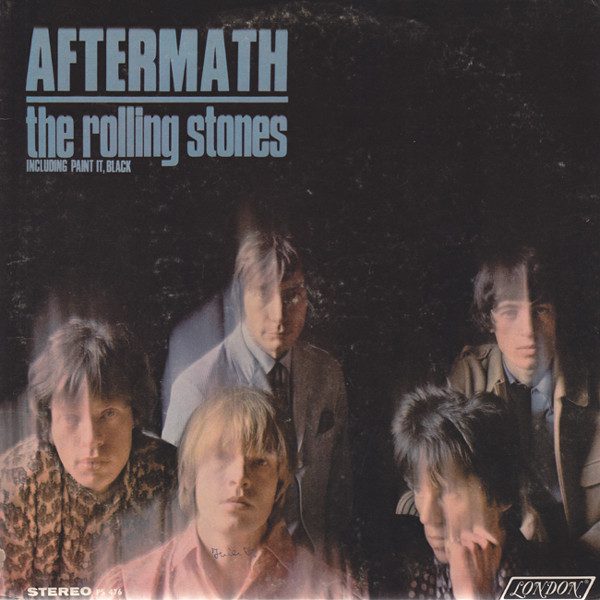
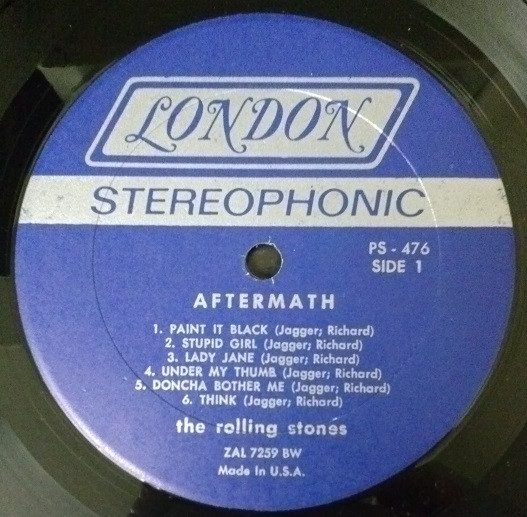
39- The Rolling Stones – Aftermath. Decca – SKL 4786 or London Records – PS 476 (1966, Apr.), 33 1/3 rpm. Genre: raga rock, psychedelic rock, blues rock, baroque pop, soul.
Hailing from Los Angeles, the Seeds released their debut LP in April. The twelve-track album includes their two previously charting singles, “Can’t Seem to Make You Mine” and the peppy “Pushin’ Too Hard,” both released in 1965. It blends garage rock with psychedelic rock and proto-punk. The group consisted of Sky Saxon, Rick Andridge, Cooker, Daryl Hooper, and Jan Savage.
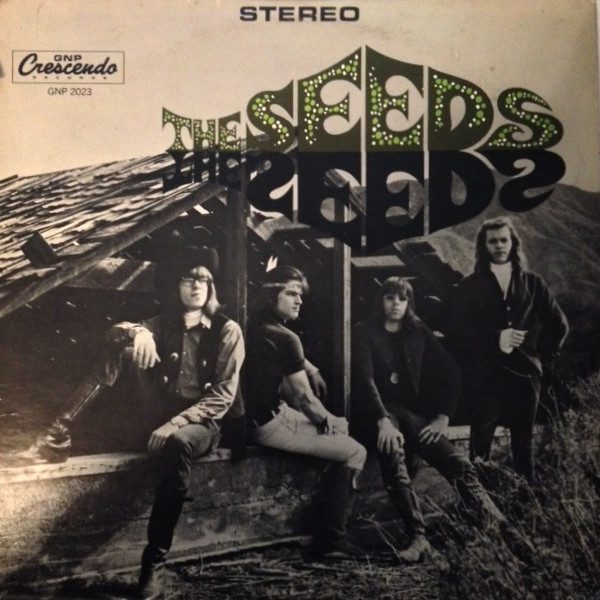
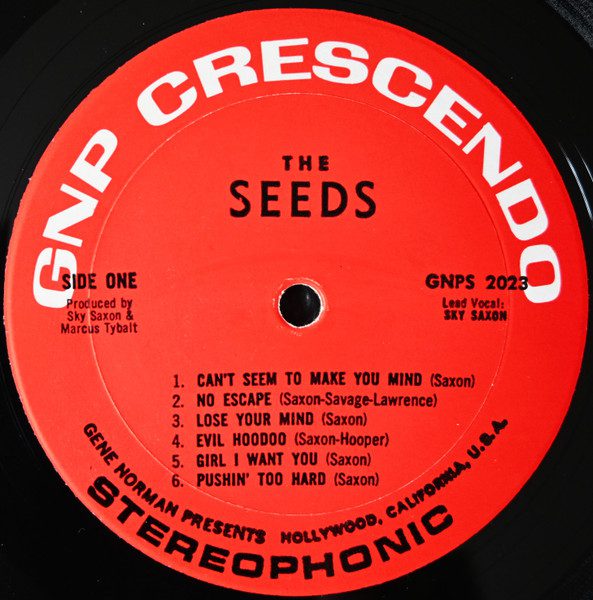
40- The Seeds – The Seeds. GNP Crescendo – GNPS 2023 (1966, Apr.), 33 1/3 rpm. Genre: garage rock, psychedelic rock, proto-punk, acid rock.
Starting their career in 1961, the Beach Boys topped the charts with simple, fun-loving surf music and hot rod rock. That trajectory took a turn in May 1966 with the release of Brian Wilson’s groundbreaking production Pet Sounds, which explored experimental pop, psychedelia, and progressive pop. Featuring songs such as “Don’t Talk (Put Your Head on My Shoulder),” “God Only Knows,” and the opening track “Wouldn’t It Be Nice,” the album had a profound influence on the Beatles’ subsequent releases.
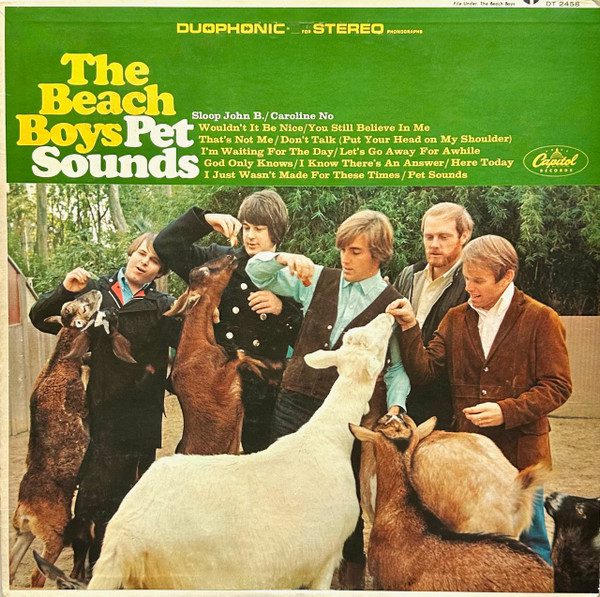
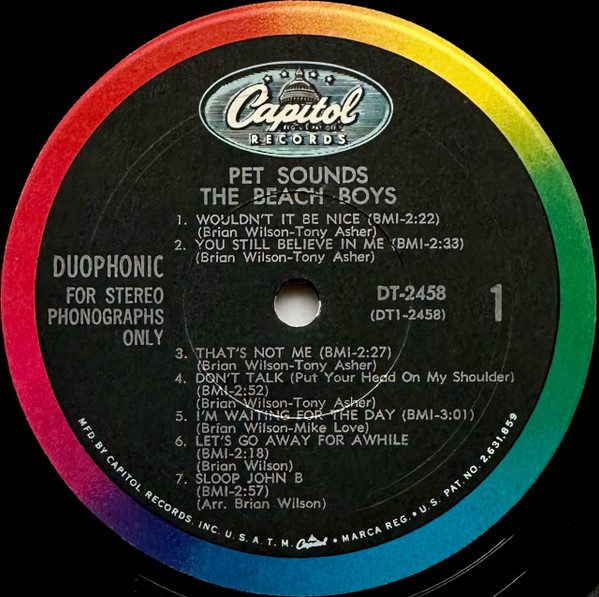
41- The Beach Boys – Pet Sounds. Capitol – G 918 (1966, May), 33 1/3 rpm. Genre: progressive pop, chamber pop, psychedelic pop, art rock.
The Temptations’ fourth album, Gettin’ Ready, features two major hit singles by different songwriters and producers: the energetic “Get Ready,” by Smokey Robinson, and the soulful “Ain’t Too Proud to Beg,” by Norman Whitfield, who would soon take full control of the group’s future releases.
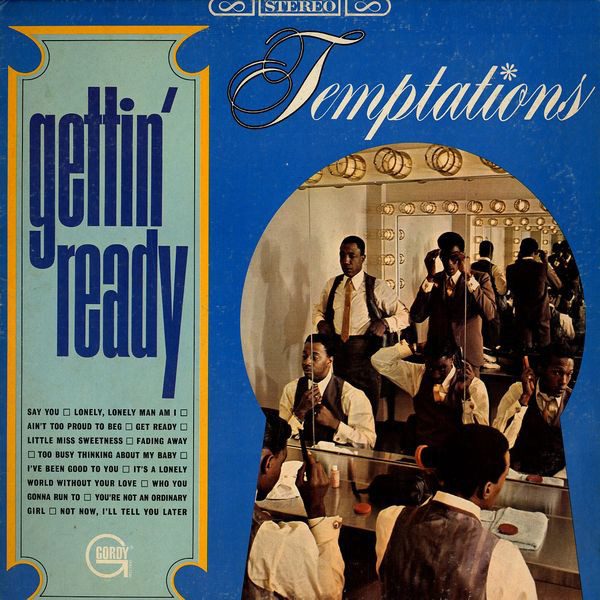
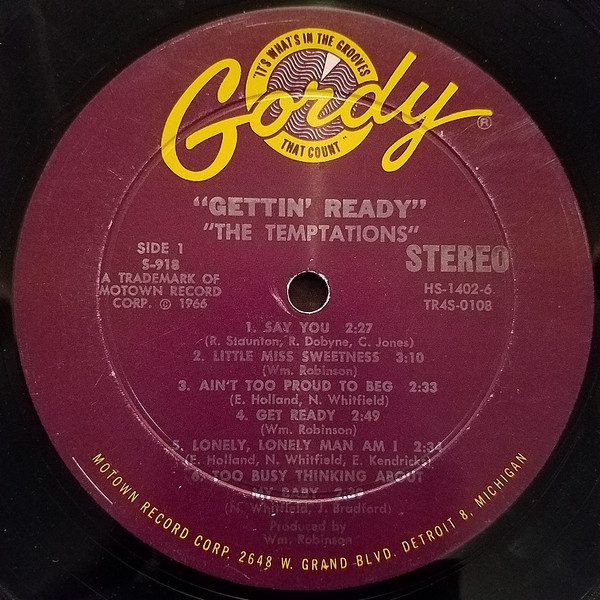
42- The Temptations – Gettin’ Ready. Gordy – G 918 (1966, June), 33 1/3 rpm. Genre: soul, Motown sound, R&B.
Hailing from Hampshire, England, the garage rock quartet known as the Troggs scored a huge hit with “Wild Thing,” originally written by Chip Taylor and first recorded by the Wild Ones, before Jimi Hendrix later gave it his own signature twist.
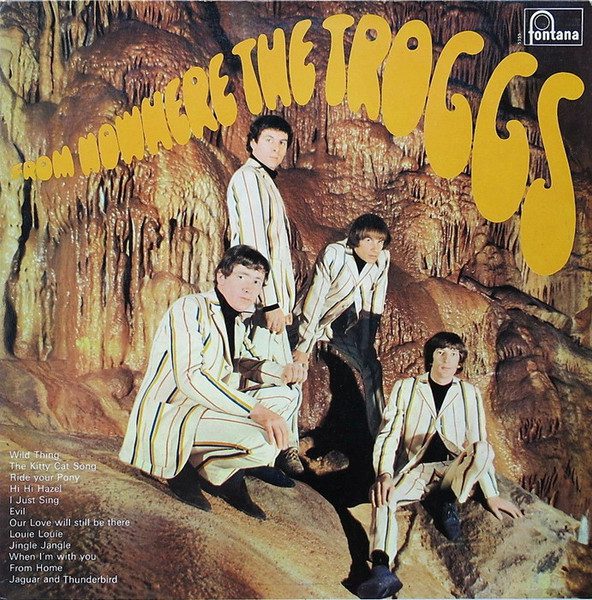
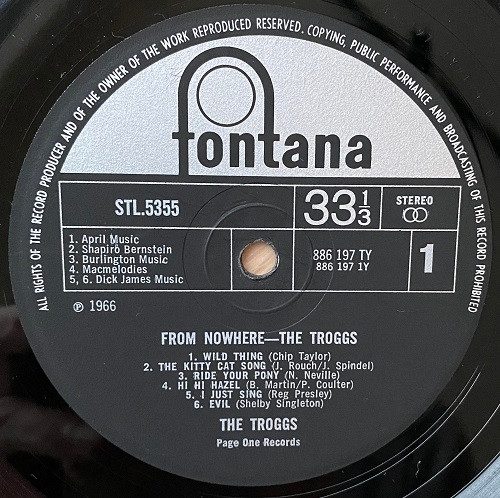
43- The Troggs – From Nowhere. Fontana Records – STL 5355 (UK) (1966, July), 33 1/3 rpm. Genre: garage rock, pop rock, proto-punk.
By this time, the Yardbirds had released a few albums, but Yardbirds, a.k.a. Over Under Sideways Down, is the only one to feature guitarist Jeff Beck play on all tracks. It combines psychedelic rock with Eastern influences, blues, and jazz.
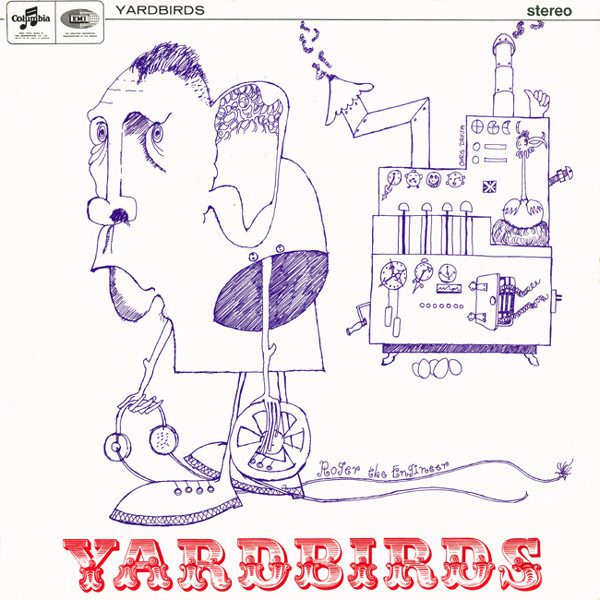
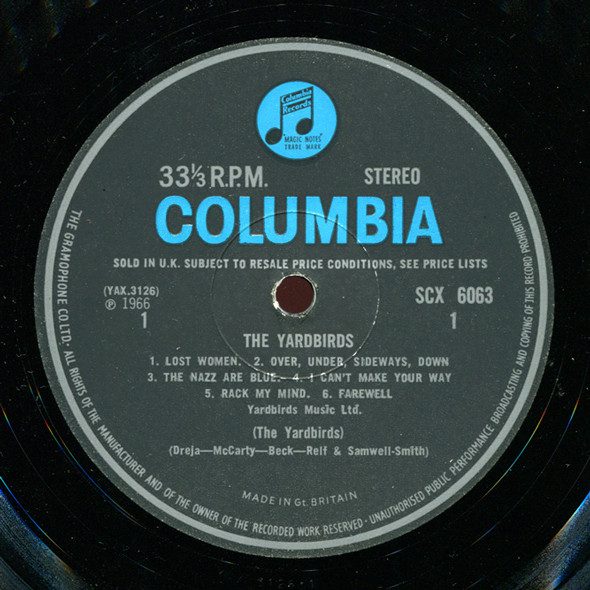
44- The Yardbirds – Yardbirds – Columbia – SCX 6063 (UK) (1966, July), 33 1/3 rpm. Genre: psychedelic rock, garage rock, blues rock, blues, beat, folk rock, experimental pop, raga rock, British R&B.
Having grown weary of performing live in large stadiums, the Beatles called it quits on touring to better focus on the studio. Recorded between April and June and released in August, Revolver reveals the band at the peak of their creativity, exploring musical genres seldom associated with rock before then, such as chamber and Indian music, as well as electronic, sampling, and avant-garde styles. The fourteen-track album includes quirky songs like “Taxman,” the intimate “Eleanor Rigby,” the uplifting “Good Day Sunshine” and “Got to Get You into My Life,” the light-hearted “Yellow Submarine,” and the highly original, experimental, psychedelic-electronic, drone-drenched closing track, “Tomorrow Never Knows,” which alone could merit an entire chapter.
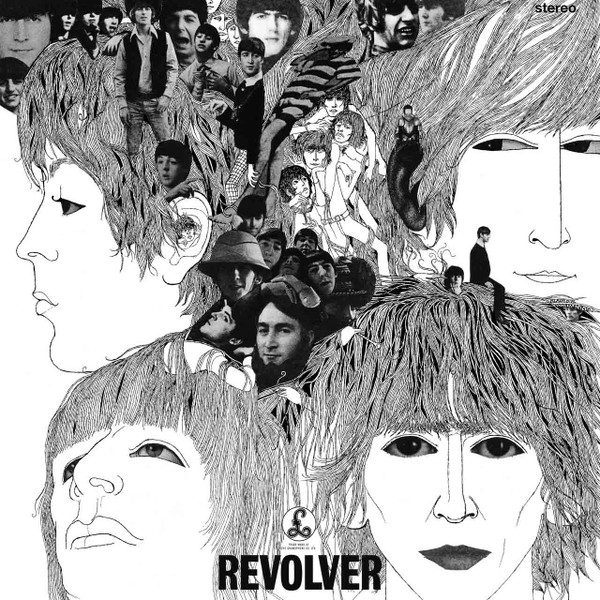
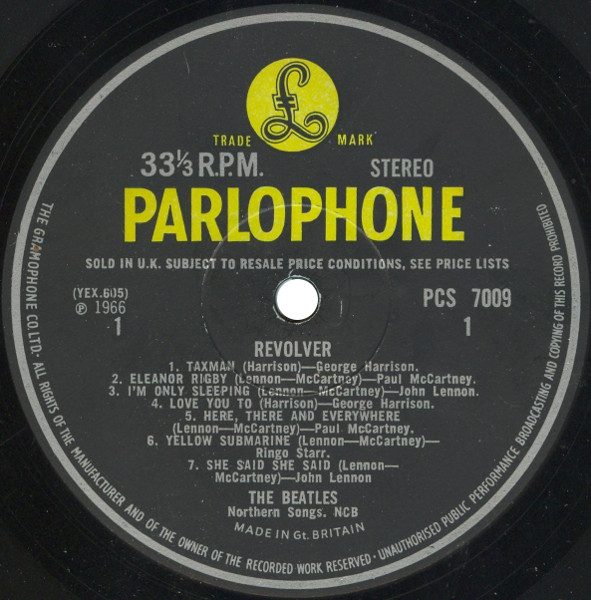
45- The Beatles – Revolver. Parlophone – PCS 7009 (UK) (1966, Aug.) 33 1/3 rpm. Genre: garage rock, baroque pop, chamber pop, art rock, folk rock, raga rock, Indian music, music hall, pop, R&B, soul, psychedelic, electronic, avant-pop, avant-garde, musique concrète.
The Supremes’ ninth album features two great H-D-H-penned hits—”Love Is Like an Itching in My Heart” and the original version of “You Can’t Hurry Love”, which Phil Collins covered in 1982.
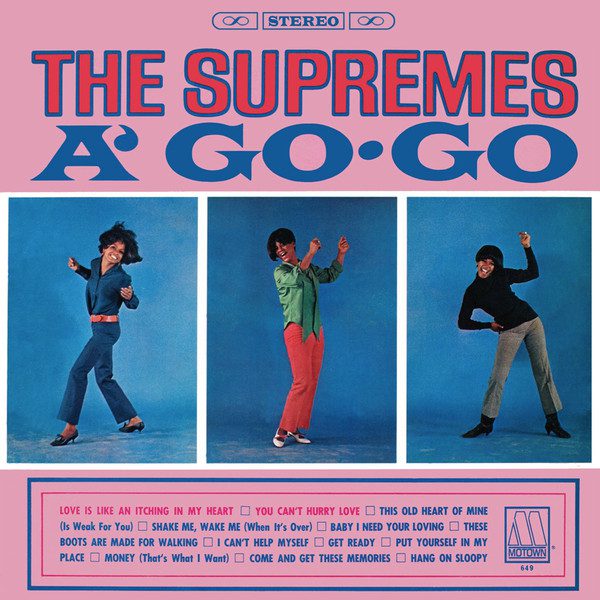
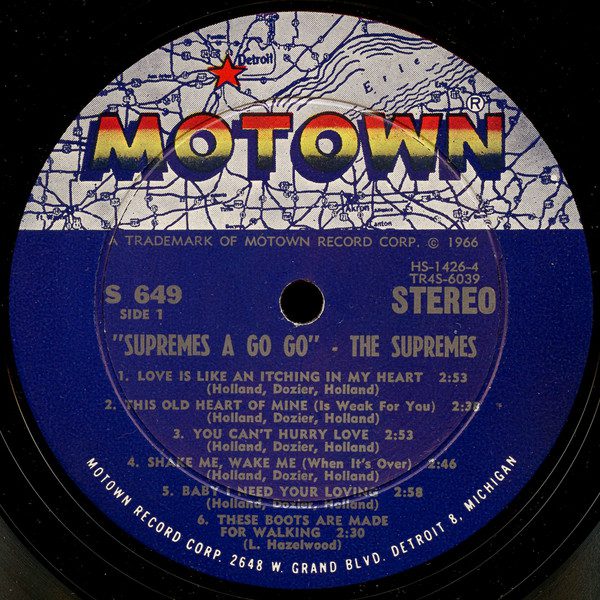
46- The Supremes – The Supremes A’ Go-Go. Motown – MS 649 (1966, Aug.), 33 1/3 rpm. Genre: ‘Motown sound’, pop-soul, R&B.
The Seeds’ second album, A Web of Sound, raises the acidic levels with songs like “Mr. Farmer” and “Tripmaker”. Side two includes the 14-minute track—still a rarity at that time—”Up in Her Room”.
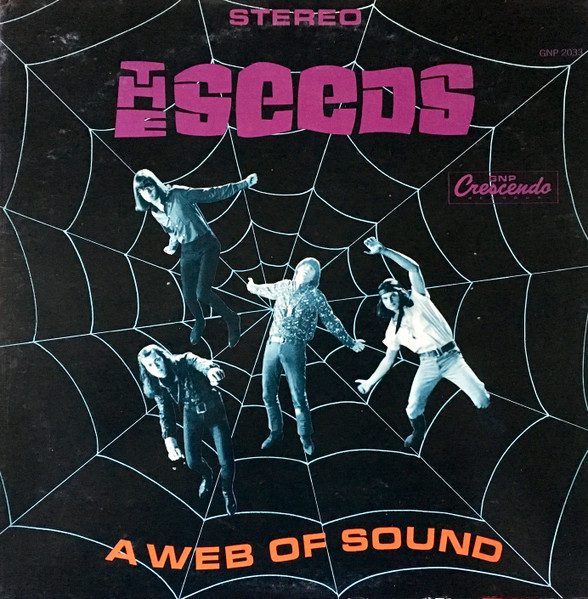
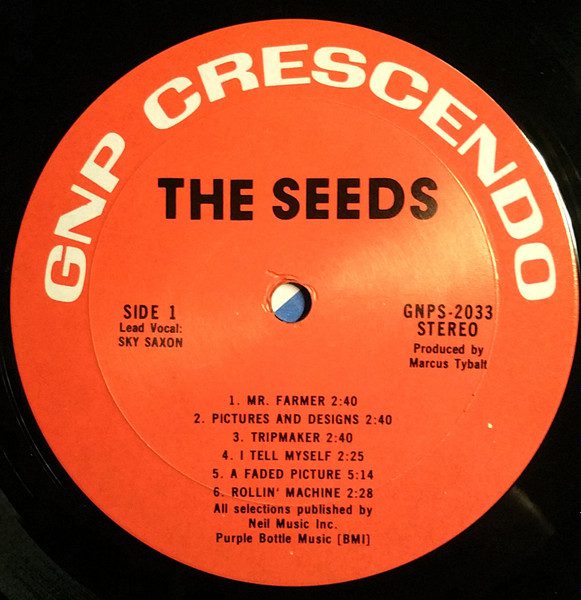
47- The Seeds – A Web of Sound. GNP Crescendo – GNPS 2033 (1966, Oct.), 33 1/3 rpm. Genre: garage rock, acid rock, psychedelic rock, proto-punk.
The Psychedelic Sounds of the 13th Floor Elevators is the first of three albums by the Texas sextet comprising Roky Erickson, Stacy Sutherland, Tommy Hall, Benny Thurman, Ronnie Leatherman, and John Ike Walton. Little known to the public at the time, it was the first album to include the word “psychedelic” in its title. The record blends psychedelic sounds with blues, garage, and folk rock. Its LP cover also stands as a prime example of psychedelia’s influence on the art world.
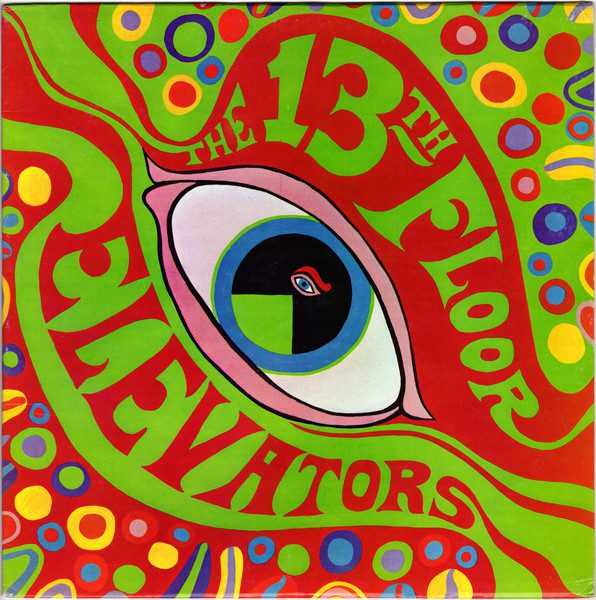
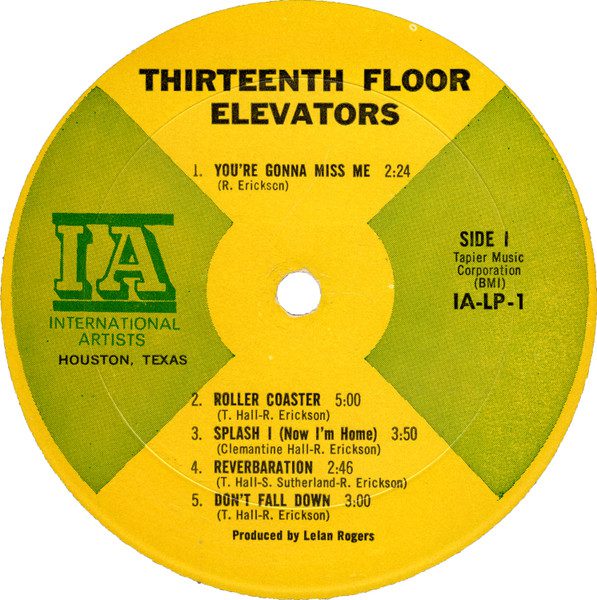
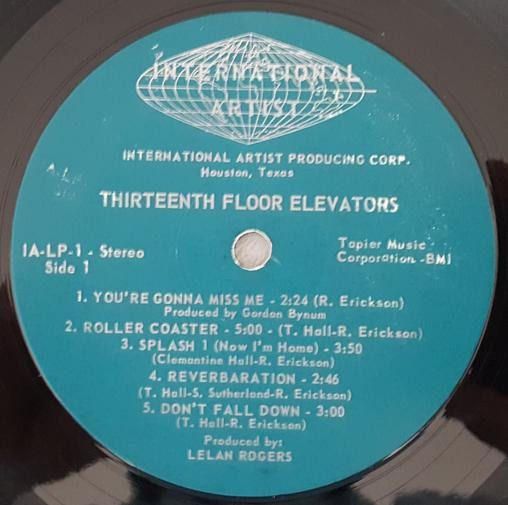
48- The 13th Floor Elevators – The Psychedelic Sounds of the 13th Floor Elevators. International Artists – IA-LP-1 (mono or stereo) (1966, Oct.) 33 1/3 rpm. Genre: psychedelic rock, garage rock, acid rock, R&B.
Sharing a similar acid trip was another quintet—the Bronx’s Blues Magoos. Released nearly at the same time as The Psychedelic Sounds of the 13th Floor Elevators, the Blues Magoos’ debut album, Psychedelic Lollipop, is also one of the first to feature the word “psychedelic” in its title. The ten-track LP opens with the hit single “(We Ain’t Got) Nothin’ Yet.” Guitarist Emil “Peppy” Theilhelm was only sixteen at the time. The rest of the band included Ralph Scala on keyboards and vocals, Ron Gilbert on bass and vocals, Mike Esposito on guitar, and Geoff Daking on drums and percussion. The album also features some colorful cover art.
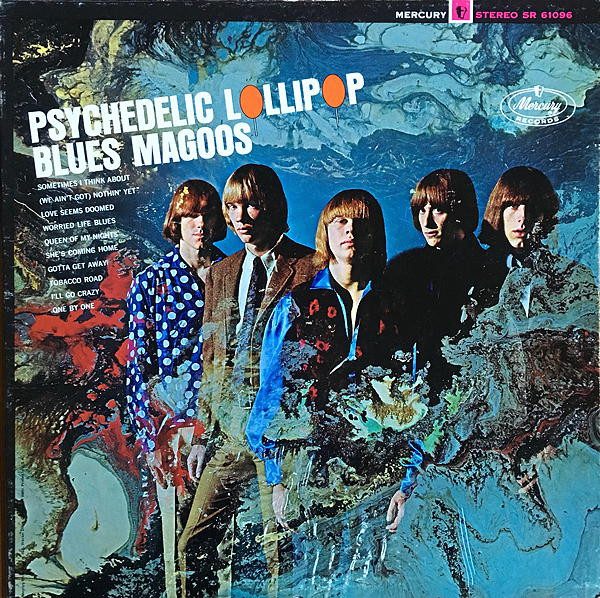
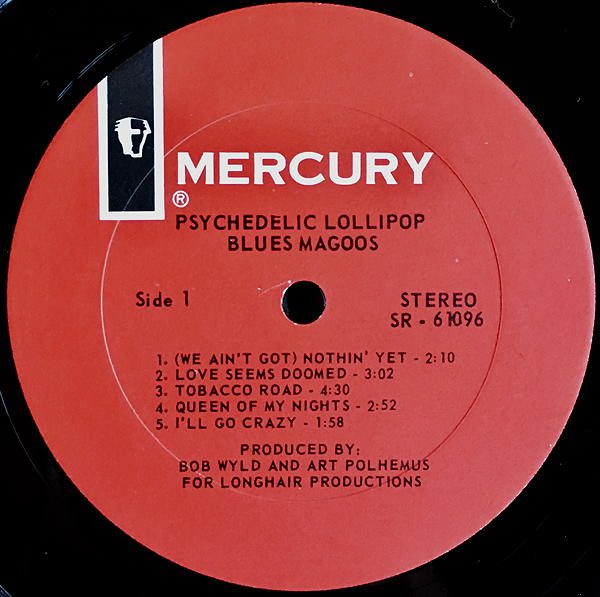
49- Blues Magoos – Psychedelic Lollipop. Mercury – MG-21096 (mono) or SR 61096 (1966, Nov.) 33 1/3 rpm. Genre: psychedelic rock, garage rock.
Formed in London, Cream is credited as the first supergroup and power rock trio, beating the Jimi Hendrix Experience by just two months. With Jack Bruce on bass, Eric Clapton on guitar, and Ginger Baker on drums, the band released four albums in just over two years. Their debut, Fresh Cream, was released late in the year in both the UK and the US. The US version opens with “I Feel Free,” which I consider the album’s strongest track, which the UK version initially omitted. The 1996 DCC reissue, remastered and cut by Kevin Gray and Steve Hoffman, includes this track along with three bonus tracks, and sounds very balanced and pleasing. The music blends blues rock with psychedelic rock.
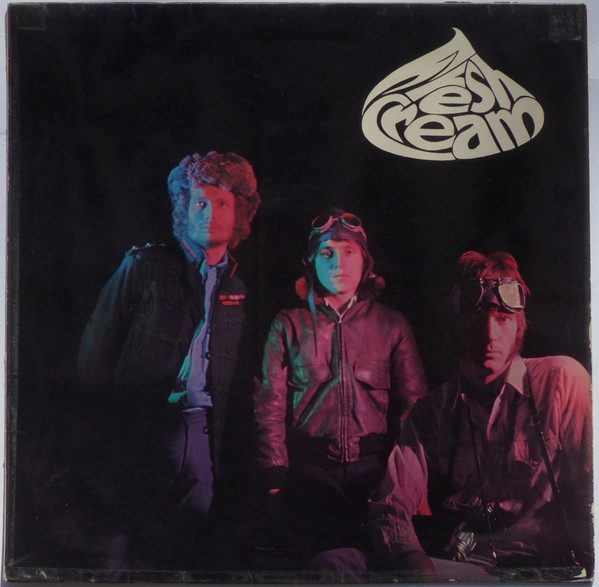
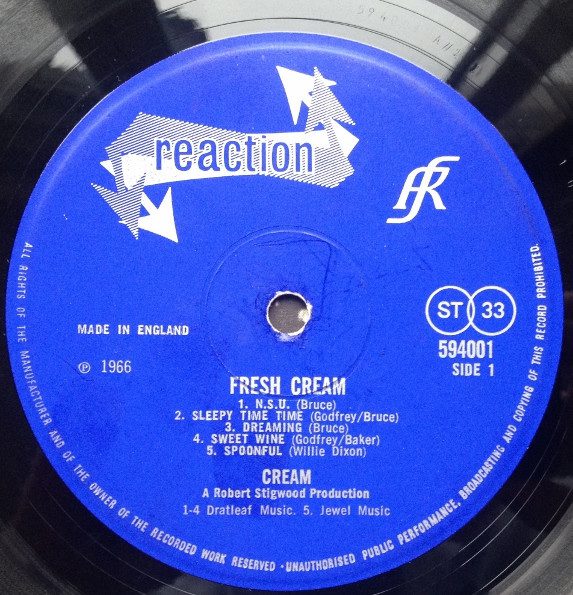
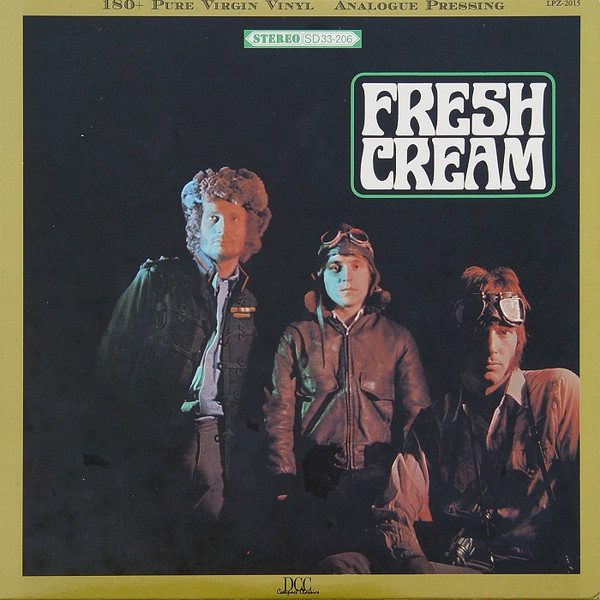
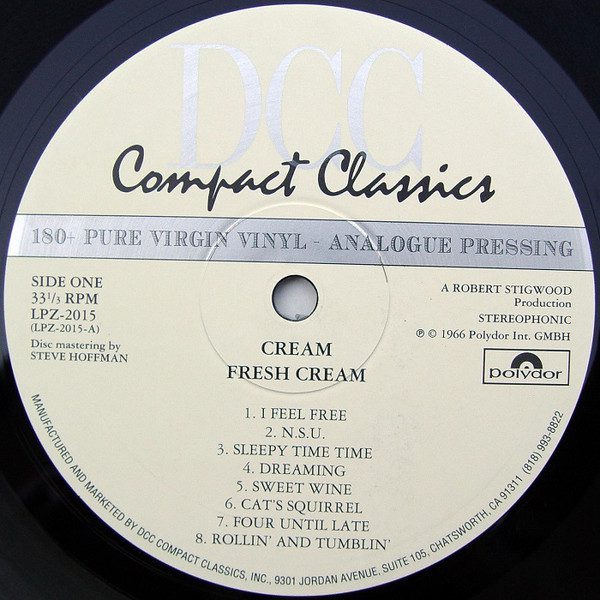
50- Cream – Fresh Cream. Reaction – 594001 (1966, Dec.), DCC Compact Classics – LPZ 2015 (1996), 33 1/3 rpm. Genre: blues rock, psychedelic rock.
For more from Claude Lemaire visit…
http://soundevaluations.blogspot.ca/








Leave a Reply